Smart Home Entertainment Systems: Ultimate Guide
Disclosure: This post contains affiliate links. If you make a purchase, we may earn a commission at no extra cost to you. Read our full Disclaimer.
Smart home entertainment systems are changing how families experience movies and music. You no longer need complicated remotes to control your living room. Today, intelligent devices connect effortlessly to create a cinematic experience right at home.
In this guide, we explore how smart home entertainment systems improve your daily life. You will learn how to choose the right devices, automate your setup, and save energy.
Building Your Setup with Smart Home Entertainment Systems
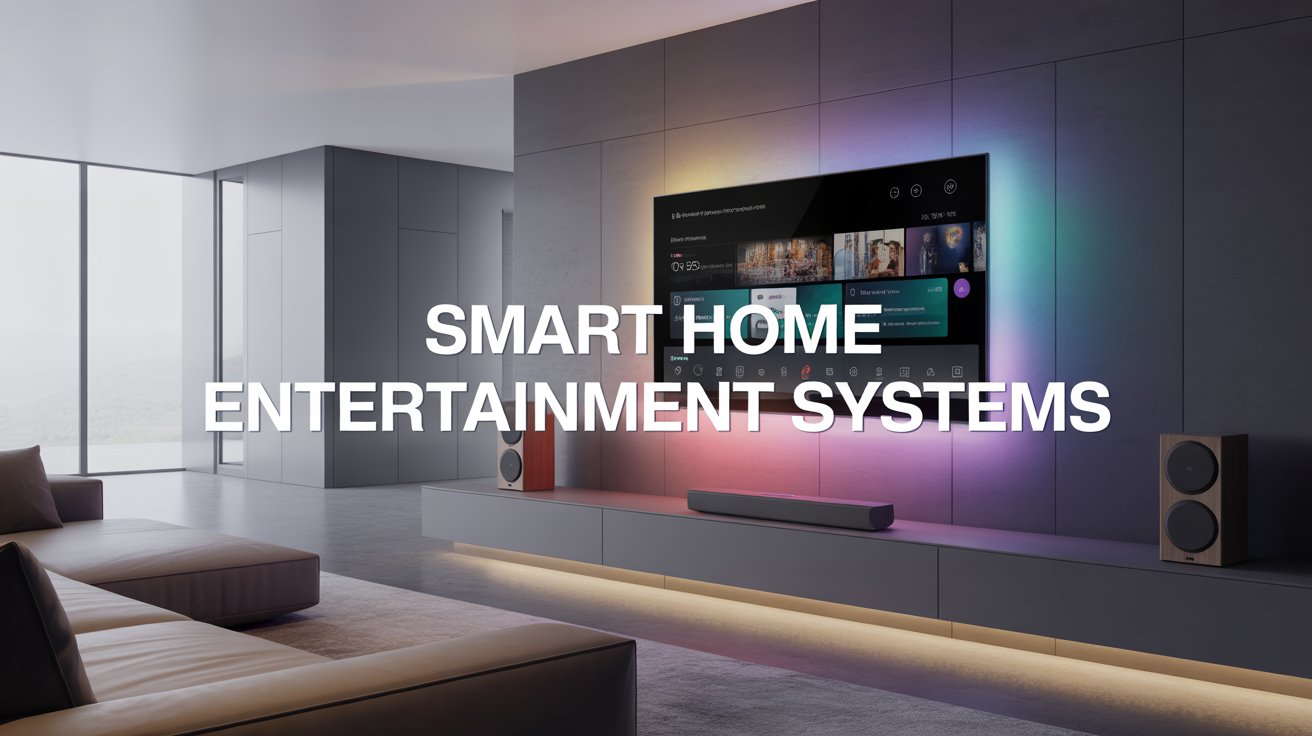
A modern media room requires more than just a big screen. It needs connected devices that work together. When you integrate smart home entertainment systems into your house, you gain complete control over audio, video, and lighting.
You can use voice commands to start a movie. You can set the perfect mood with automated lights. The possibilities are endless, and the setup process is easier than ever.
Essential Components for Your Living Room
To get started, you need a few core components. These devices form the foundation of any connected living space.
- Smart Televisions and Hubs: A central screen acts as the command center.
- Connected Soundbars: Quality audio brings movies to life. You can upgrade your setup with a Sonos Roam Portable Smart Speaker for versatile, room-filling sound.
- Intelligent Lighting: Sync your lights with the action on screen. A Philips Hue Play Smart Light Bar creates an immersive visual experience.
- Media Streaming Devices: Access all your favorite shows in one place.
These tools connect seamlessly. They transform a basic room into an advanced media center. If you want to expand your setup, check out our guide on What Is a Smart Home to see how everything links together.
Why Smart Home Entertainment Systems Improve Daily Life
People often wonder if upgrading is worth the investment. The answer is a resounding yes. Smart home entertainment systems provide unmatched convenience.
You do not have to search for multiple remotes. A single smartphone app or voice assistant handles everything. You can ask your system to play a specific playlist. You can tell it to dim the lights.
Additionally, these setups promote energy efficiency. Devices turn off automatically when you leave the room. The U.S. Department of Energy highlights that using automated power strips and smart controls significantly reduces household electricity waste.
Elevating the Visual Experience
Great visuals are crucial for movie nights. You can enhance your screen with reactive lighting. For instance, the Govee Envisual TV LED Backlights analyze screen colors and project them onto the wall behind your television.
This simple addition reduces eye strain in dark rooms. It also makes your display look much larger and more vibrant. When you pair this with automated blackout curtains, you get a true theater feel. You can learn more about related upgrades in our Best Smart Home Gadgets 2025 article.
Creating the Perfect Audio Environment
Sound quality matters just as much as picture quality. Modern audio setups calibrate themselves based on the shape of your room. Sound bounces off walls precisely, creating a surround effect without messy wires.
You can group speakers across different rooms. This allows music to follow you as you walk through the house. You control the volume effortlessly through your central hub.
Organizing Your Connected Devices
Managing multiple devices can seem daunting at first. However, a strong network makes everything run smoothly.
You must secure a fast internet connection for streaming high-resolution content. The Federal Communications Commission recommends robust broadband speeds for seamless media streaming and smart device operation.
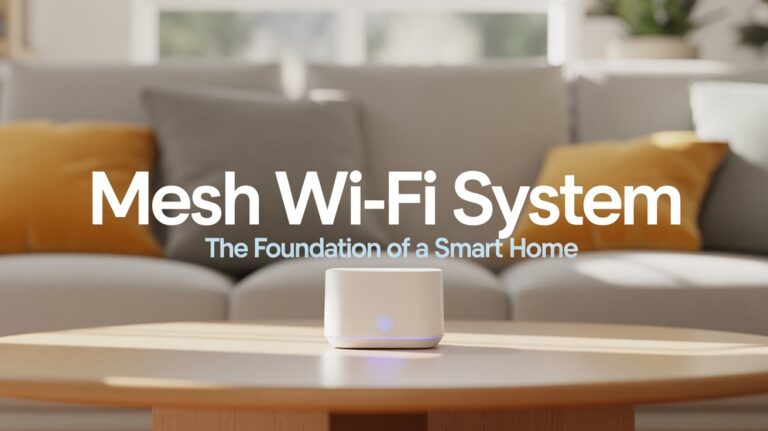
Use a mesh router system to eliminate dead zones in your living room. This ensures that your speakers and screens never lose their connection.
A unified smart hub ties everything together. You can create custom routines. A “Movie Night” routine can lower the blinds, turn on the television, and activate the surround sound all at once.
Setting up your entertainment space is a rewarding project. You take control of your environment. You create a space that adapts to your needs perfectly. Enjoy the magic of a connected living room every single day.
Expanding Your Smart Home Entertainment Systems
Once you install the basics, you can start customizing your setup. Customization is the true power of a connected home. You can link your audio and video components to other smart devices in the house.
For example, connecting your doorbell to your television screen is a fantastic idea. If someone rings the bell during a movie, a small notification pops up on your screen. You do not have to pause the action or look at your phone. You can even see a live feed of your front porch.
This type of integration makes smart home entertainment systems incredibly practical. You stay comfortable on your couch while managing the rest of your home. You can explore more ideas on how devices interact in our Smart Living 2026 overview.
Choosing the Right Voice Assistant
Voice control is central to any modern media room. You need a reliable assistant to handle your requests. The three most popular options are Amazon Alexa, Google Assistant, and Apple Siri.
Your choice depends on the devices you already own. If you have an Apple TV, Siri is the natural fit. If you prefer a wide range of compatible accessories, Alexa or Google Assistant will serve you well.
You can ask your assistant to find specific movies by actor or genre. You can also tell it to fast forward, rewind, or adjust the volume. This hands-free control elevates the viewing experience to a new level of luxury.
Managing Energy Consumption Effectively
A robust media center uses electricity, but it does not have to be wasteful. Smart home entertainment systems help you monitor and control your energy usage.
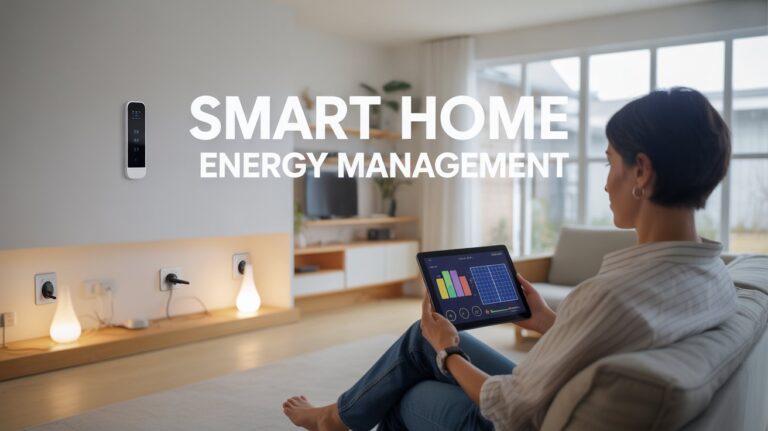
You can plug your television, speakers, and streaming boxes into smart power strips. These strips detect when your television goes into standby mode. They then cut power to peripheral devices automatically. This prevents “phantom” energy drain, saving you money on your utility bills.
Furthermore, you can schedule your entire entertainment center to turn off completely at night. This ensures that nothing runs unnecessarily while you sleep. The U.S. Department of Energy recommends these automated power management strategies for modern households.
Building a smart home entertainment system is an ongoing journey. You can start small with a smart speaker and a streaming stick. Over time, you can add intelligent lighting, automated blinds, and multi-room audio.
The beauty of this technology lies in its flexibility. You design a space that fits your lifestyle perfectly. Every movie night, gaming session, or listening party becomes a personalized experience. Your living room transforms into the ultimate hub of relaxation and joy.