Smart Home Energy Management – How to Optimize Your Home
Disclosure: This post contains affiliate links. If you make a purchase, we may earn a commission at no extra cost to you. Read our full Disclaimer.
Smart home energy management is essential for homeowners seeking efficiency, comfort, and cost savings. With the right devices and strategies, you can significantly reduce energy bills, lower your environmental footprint, and enjoy a more convenient lifestyle. In this comprehensive guide, we’ll explore the best devices, practical tips, and step-by-step strategies to implement smart energy management at home.
Benefits of Smart Home Energy Management for Homeowners
Investing in smart home energy management brings both financial and lifestyle advantages.
Reduce Energy Costs with Smart Home Energy Devices
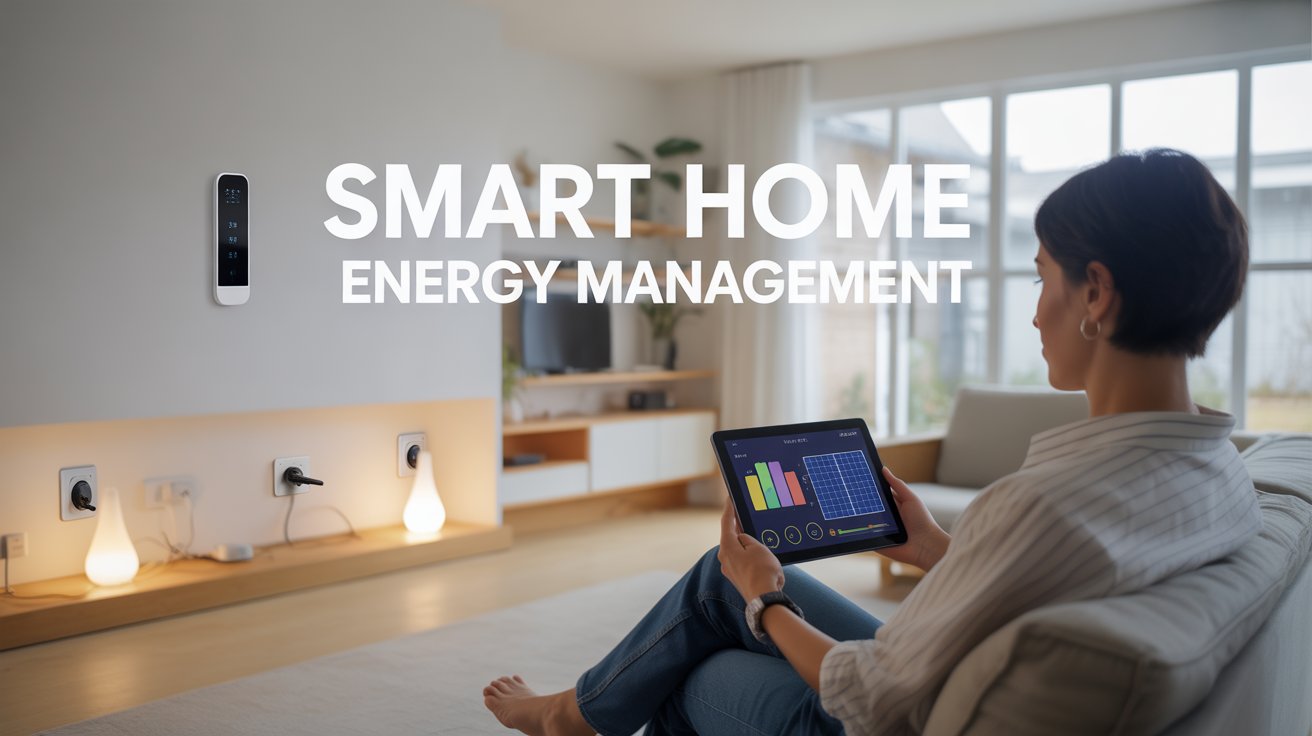
Smart thermostats, plugs, and lighting systems allow precise control over your energy usage. By scheduling devices or monitoring consumption, you can avoid unnecessary power waste. Studies show that integrating smart energy systems can reduce household energy bills by up to 30% when used consistently.
Improve Comfort with Smart Energy Optimization
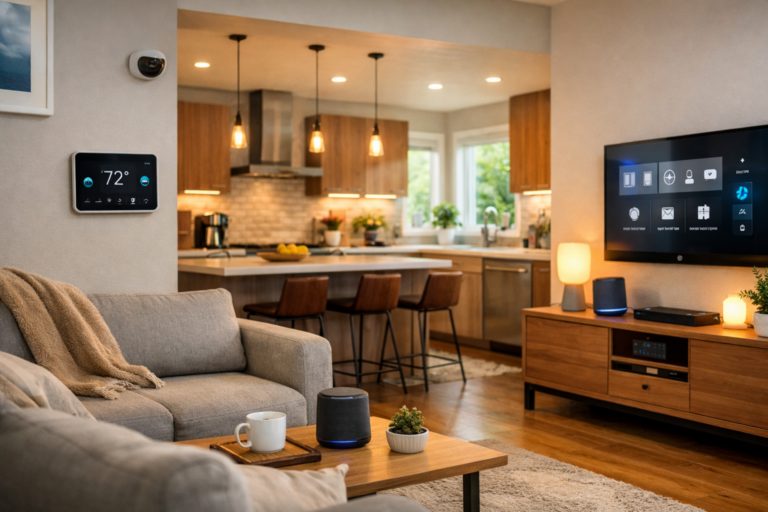
Automated heating, lighting, and appliance control means your home adapts to your lifestyle. Imagine your living room reaching the perfect temperature when you arrive or lights adjusting automatically based on occupancy. These small automations translate to a smoother, stress-free daily routine.
Sustainable Living Through Energy Management
Smart home energy management isn’t just about saving money, it’s about sustainability. Reducing unnecessary energy use lowers your carbon footprint, contributing to a greener planet. Devices like solar panels, energy monitors, and smart plugs allow you to track and reduce your environmental impact efficiently.
Key Devices for Smart Home Energy Management
To implement a smart energy plan at home, certain devices are essential.
Smart Thermostats for Energy Management
Smart thermostats learn your routine and optimize heating or cooling schedules. Recommended models include Nest, Ecobee, and Tado. They can integrate with solar panels and other home automation systems for maximum efficiency.
Smart Plugs for Better Energy Control
Control devices remotely and schedule power usage. Smart plugs prevent phantom energy consumption from appliances left plugged in, making them a low-cost, high-impact solution.
Solar Panel Integration in Smart Home Energy Systems
According to the International Renewable Energy Agency (IRENA), renewable energy integration plays a crucial role in improving global energy efficiency.
Combining smart energy management with solar panels maximizes cost savings and sustainability. Homeowners can monitor energy generation, consumption, and storage, reducing reliance on the grid.
Energy Monitoring Systems
Devices like Sense or Neurio provide detailed analytics of your energy usage. Monitoring helps identify high-consumption appliances and optimize usage patterns.
How to Implement Smart Home Energy Management Step by Step
Here’s how to start your energy management journey:
- Assess Your Home Energy Needs
Conduct an energy audit to identify which appliances consume the most power. Many smart plugs provide real-time monitoring to help with this step. - Plan Device Integration
Map out where smart devices will be installed. Consider thermostats, lighting, plugs, and energy monitors for optimal coverage. - Install and Configure Devices
Follow manufacturer instructions and connect devices to a centralized smart hub or assistant for unified control. - Monitor and Adjust Consumption
Regularly review energy reports from your monitoring system. Adjust schedules and habits based on insights to continually improve efficiency.
Smart Home Energy Management Best Practices
- Use automation rules: Set lights to turn off automatically in unoccupied rooms.
- Combine with renewable energy: Solar panels integrated with smart energy systems maximize benefits.
- Regular updates: Keep device firmware updated for optimal performance.
- Energy-efficient appliances: Even smart homes benefit from low-consumption appliances.
- Track seasonal variations: Adjust schedules as seasons change to save energy.
FAQs on Smart Home Energy Management
Q1: Can I integrate multiple brands of devices?
Yes, most smart hubs support cross-brand integration. Check compatibility with your central system before purchase.
Q2: Is smart home energy management expensive to start?
Initial costs vary depending on devices, but long-term savings on energy bills and efficiency gains often offset upfront expenses.
Q3: Do I need a professional to install these devices?
Some devices are DIY-friendly, like smart plugs and smart thermostats. Solar panel integration or energy monitors may require professional installation.
This advanced energy optimization approach is a practical and rewarding solution for modern homeowners. By implementing the right devices, monitoring your consumption, and following best practices, homeowners can save money, reduce environmental impact, and enjoy a more comfortable home.
Are you ready to upgrade your lifestyle? Discover more smart living insights in our next article.