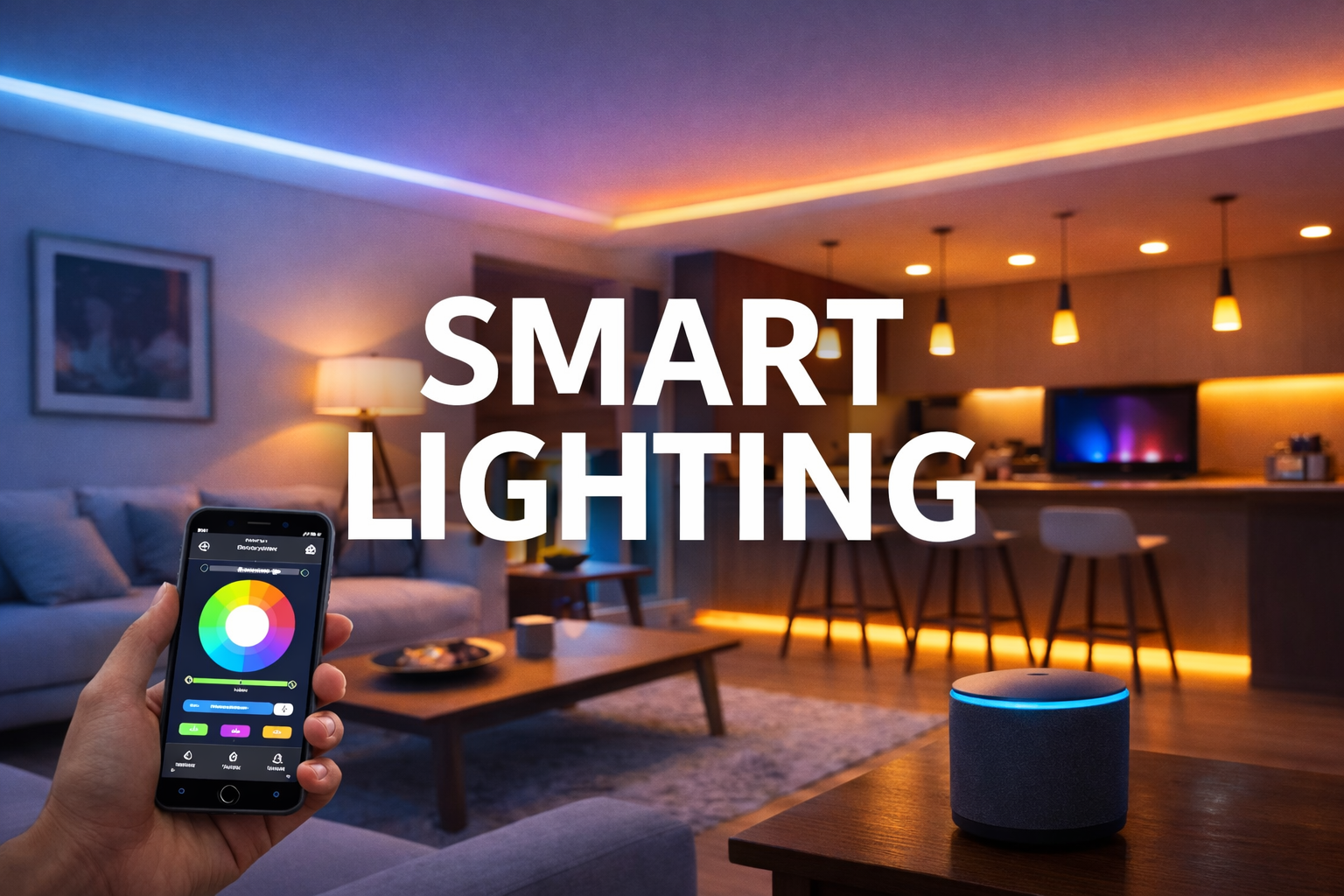
Smart Lighting: A Complete Guide for Modern Homes
Disclosure: This post contains affiliate links. If you make a purchase, we may earn a commission at no extra cost to you. Read our full Disclaimer.
Have you ever walked into your house with your hands full of groceries and wished the lights would just turn on by themselves? Or have you ever been so comfortable on the couch that the idea of getting up to flip a switch felt like an impossible mission? If so, you are certainly not alone. Smart lighting is here to eliminate these minor inconveniences and completely transform the way we live and interact with our modern homes.
Much more than a simple technological luxury, having a smart light system today is a fundamental step for anyone looking for more comfort, enhanced security, and, of course, a way to save energy. In this comprehensive guide, we will explore everything you need to know about this fascinating world of connected illumination, the best technologies available, and how you can start creating your very own custom lighting scenes to elevate your daily routine.
What is Smart Lighting?
Smart lighting involves the use of intelligent bulbs such as the Philips Hue Smart Bulb that connect to your home network and allow full control through apps or voice assistants.
Simply put, smart lighting systems include bulbs, switches, and LED light strips that connect to the internet or a local network. This connectivity allows homeowners to control lighting through a smartphone app, a voice assistant like Amazon Alexa, Google Assistant, or Apple Siri, or through automated routines designed for daily life.
Unlike traditional bulbs that only operate in an “on” or “off” mode, smart lighting offers far greater flexibility. Users can adjust brightness levels, change color temperature, and even select from millions of colors to create the perfect atmosphere for different moments.
For example, lighting can be set to bright white tones for productivity during the day, warm light for relaxing evenings, or dynamic colors for entertainment and social gatherings. As a result, smart lighting becomes an essential part of a modern smart home environment.
Benefits of Smart Lighting for Modern Homes
Transitioning to a connected lighting system brings immediate and noticeable benefits to your daily life. Here are the main reasons why you should seriously consider making this smart home upgrade:
1. Comfort and Convenience
Imagine controlling all the lights in your house without ever leaving your bed. With light automation, you can program your bulbs to turn on gradually in the morning, simulating a natural sunrise. This gentle increase in brightness helps you wake up with much more energy by aligning with your body’s natural circadian rhythm. In fact, optimizing your lighting environment is one of the absolute best ways to improve your rest, something we already covered extensively in our guide on smart bedroom devices for better sleep.
2. Energy Savings and Efficiency
Smart bulbs predominantly use LED technology, which consumes up to 80% less energy than traditional incandescent bulbs and lasts significantly longer. According to the ENERGY STAR program, switching to certified LED lighting can represent massive long-term financial savings for households. Furthermore, because you can control everything remotely, you will never again leave the lights on by mistake when you leave the house. You can even utilize motion sensors so that the light automatically turns off when a room is empty for a specified amount of time.
3. Home Security Advantages
Smart lighting isn’t just for interior decoration and setting the mood; it is a highly effective security tool. When you go on vacation or travel for work, you can program the lights to turn on and off at random intervals, creating the realistic illusion that someone is home. This feature perfectly complements other protection technologies, making it an excellent addition to your smart home security devices ecosystem.
Smart Lighting Connectivity Options
When shopping for smart lights, you will quickly notice that they use different protocols to communicate. Understanding these can help you build a more reliable network:
- Wi-Fi Bulbs: These connect directly to your home router. They are fantastic for beginners because they don’t require a separate hub. However, putting too many Wi-Fi bulbs on a standard router can sometimes slow down your network.
- Zigbee/Z-Wave: These protocols create a mesh network where each bulb talks to the next. They require a dedicated hub (like a Philips Hue Bridge or an Amazon Echo with a built-in hub) but are incredibly fast, reliable, and don’t congest your Wi-Fi.
- Bluetooth: These connect directly to your phone. They are easy to set up but have a limited range and usually cannot be controlled when you are away from home.
How to Get Started with Light Automation
If you are thinking about entering the world of smart lighting, the good news is that you don’t need to replace every light fixture in your home at once. In fact, starting small is often the best approach. By testing smart lighting in one or two rooms, you can discover which devices and automation routines fit your lifestyle best.
If you don’t want to replace all your bulbs immediately, using a TP-Link Smart Plug allows you to automate traditional lamps and control them remotely through a smartphone app or voice assistant. This simple device turns regular lamps into part of your smart lighting system, making it an affordable and beginner-friendly way to start building a smarter home.
Over time, you can gradually expand your setup by adding smart bulbs, motion sensors, and automated lighting routines that improve both convenience and energy efficiency.
Step 1: Wi-Fi Smart Bulbs
Before you buy your first bulb, decide which voice assistant or platform you prefer to use. This will ensure that all your devices communicate seamlessly. According to global data and consumer reports from Statista, the adoption of integrated, single-platform ecosystems is the major trend currently shaping connected homes, as it drastically reduces frustration during setup.
Step 2: Zigbee and Z-Wave Lighting Systems
Don’t try to automate everything right from the start. Buy a starter kit and install it in the living room or the bedroom. These are the rooms where you spend the most time and where you will immediately notice the difference with relaxing environments or dedicated, well-lit reading corners.
Step 3: Bluetooth Smart Lights
The real magic of smart lighting happens in automation. Try creating simple routines in your app to make your life easier:
- “Good Morning”: The bedroom lights turn on at 20% brightness with a warm color at 7:00 AM, slowly ramping up over 30 minutes.
- “Leaving Home”: All the lights in the house turn off automatically with a single tap on your phone or a quick voice command to your smart speaker.
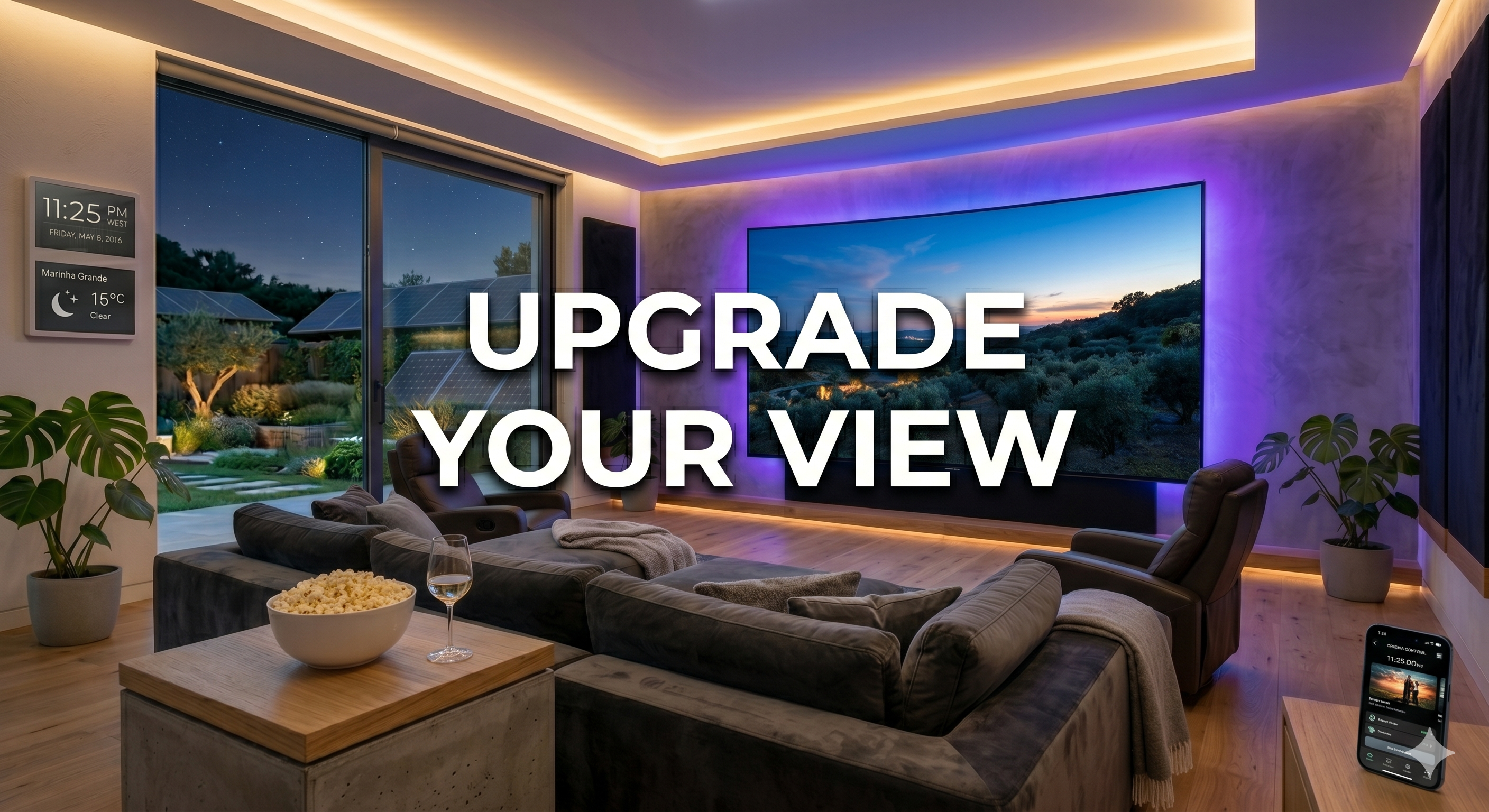
- “Movie Mode”: The living room lights dim to 10% and shift to cool blue or purple tones to prevent screen glare and enhance your viewing experience.
Integrate Lighting into the Rest of Your Smart Home
The true power of a smart home is revealed when different devices work together seamlessly. For example, you can connect your lighting to your climate control systems. If you read our previous guide on smart thermostats for energy efficiency, you can easily create an advanced rule where the lights take on a “cooler” tone when the air conditioning kicks in, or where both the lights and the heating turn off simultaneously when you lock the smart door lock to leave for work.
Voice assistants like the Amazon Echo Dot make it possible to control smart lighting using simple voice commands. This level of integration means your house starts taking care of you, adapting to your specific routines and habits without you having to constantly press buttons or flip manual switches.
Smart lighting is undoubtedly one of the first and most rewarding steps you can take in the smart home universe. It is relatively inexpensive to start, incredibly easy to install (often just screwing in a bulb and connecting it to your Wi-Fi), and the practical benefits are experienced every single day. From creating the perfect romantic atmosphere to hosting an unforgettable dinner party, or simply automating your routines to save energy at the end of the month, smart lights are a modern investment worth every penny.
Are you ready to upgrade your lifestyle and make your living space more responsive? Start exploring the endless possibilities of light automation today and watch your home shine brighter and smarter than ever before!