Solar Panels for Smart Homes: Complete Global Guide
Disclosure: This post contains affiliate links. If you make a purchase, we may earn a commission at no extra cost to you. Read our full Disclaimer.
Integrating solar panels for smart homes transforms the way we power our everyday lives. Moreover, these systems help reduce electricity costs while enhancing sustainability and resilience. In addition, ongoing advancements in renewable energy and smart technologies allow homeowners and renters worldwide to enjoy clean, automated, and highly efficient power systems. For example, combining solar panels with smart thermostats and smart plugs maximizes energy efficiency and convenience.
Smart homes powered by solar energy represent the future of energy independence. By combining photovoltaic panels with smart thermostats, smart plugs, automated lighting, and battery storage, users can monitor and optimize energy usage in real time. Consequently, smart solar homes offer both financial savings and environmental benefits.
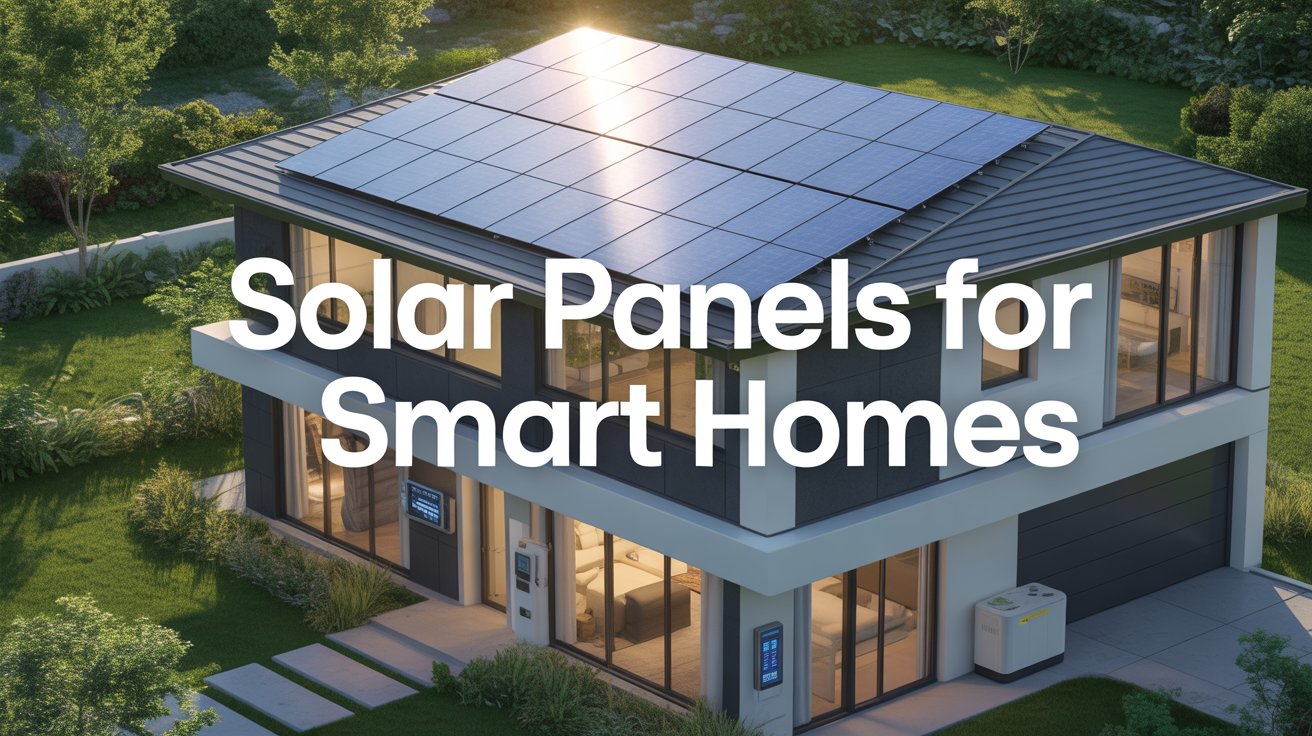
Clean energy meets smart technology, solar panels integrated into a fully automated home energy system. Recent global energy trends show that solar and other renewables accounted for more than 90% of new electricity capacity installations in recent years, according to the International Renewable Energy Agency. That shift underscores the mainstream adoption of solar energy and its growing role in smart home ecosystems.
In this article, we explore everything you need to know about solar panels in smart homes: how they work, why they matter, installation guidance, benefits, costs, common misconceptions, and future trends.
What Are Solar Panels for Smart Homes?
Solar panels, also known as photovoltaic (PV) modules, convert sunlight into electricity using semiconductor cells. When integrated into a smart home system, this energy can power appliances, charge batteries, and even sell excess power back to the grid in some regions.
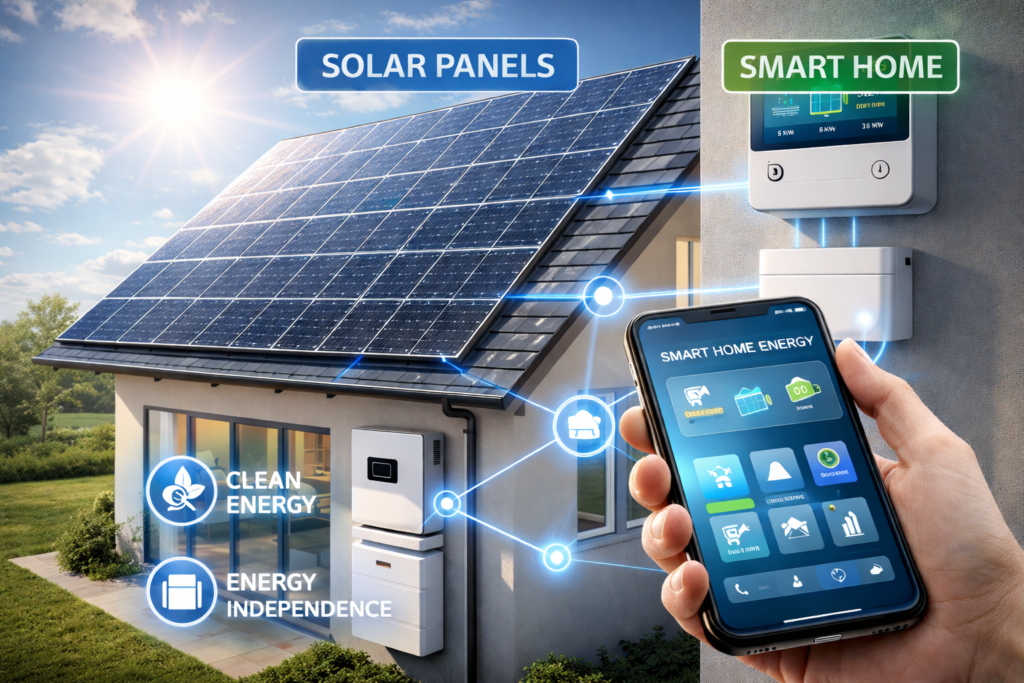
A smart home uses connected devices to automate and manage energy usage efficiently. When paired with solar power:
- Smart thermostats can adjust HVAC based on solar generation data
- Smart plugs can schedule high-energy appliances during peak production
- Battery systems store excess power for later use
- Monitoring apps provide real-time insights on energy flow
This synergy between solar energy and smart home automation maximizes both sustainability and convenience.
How Solar Panels for Smart Homes Work
Solar energy systems have several key components:
Photovoltaic Panels
These capture sunlight and produce direct current (DC) electricity.
Inverter
Converts DC into alternating current (AC) usable by household appliances.
Mounting System
Securely positions panels on roofs or ground mounts at optimal angles.
Battery Storage (Optional)
Stores excess power for use when the sun isn’t shining.
Monitoring System
Connected to smart home hubs and apps for real-time tracking.
When solar panels generate energy, it first powers your home. Any excess can be stored or fed back to the grid where net metering is available.
According to research published on arXiv, if rooftop solar panels were installed across suitable buildings worldwide, they could generate several times the current global electricity demand, highlighting tremendous potential for distributed solar power systems.
Benefits of Solar Panels in Smart Home Systems
Energy Independence
Solar power reduces reliance on utility grids and fossil fuels, giving homeowners more control over their energy supply.
Cost Savings
In addition, residential solar systems can significantly decrease electricity bills over time. The U.S. Department of Energy notes solar installations reduce utility expenses while increasing home value and resilience during outages.
Environmental Benefits
Furthermore, using clean energy reduces greenhouse gas emissions and helps mitigate climate change. Solar power is one of the fastest-growing renewable energy sources worldwide.
Smart Optimization
Smart home systems can tune energy usage in real-time based on solar production, weather forecasts, and battery levels, maximizing efficiency.
Why Solar Panels for Smart Homes Is Essential for Modern Homes
Let’s break down the practical benefits:
1. Reduced Electricity Bills
Solar panels offset power usage from the grid, especially when paired with automation tools that prioritize clean, renewable energy usage.
2. Resilience and Backup Power
Paired with battery systems, solar panels provide backup power during outages — especially important in areas with unstable electrical grids.
3. Increased Property Value
Homes with solar installations often sell at higher prices, reflecting lower long-term utility costs and ecological appeal.
4. Sustainability and Carbon Reduction
Solar energy produces zero emissions during operation and significantly reduces overall carbon footprint.
5. Integration with Smart Home Devices
Smart meters, thermostats, and energy dashboards allow users to monitor and automate energy in real time, reducing manual adjustments and energy waste.
Installing Solar Panels for a Smart Home Setup
Installing solar panels involves several steps:
Site Assessment
A professional evaluates your location, roof orientation, shading, and local climate conditions to determine system size and placement.
Panel Selection
Choose modules with high efficiency and durability based on your energy goals and budget.
Mounting and Electrical Work
Experienced technicians mount the panels and connect them to inverters and the home electrical system.
Monitoring Setup
Integrate your solar system with a smart energy dashboard so you can track generation and usage from your phone or smart hub.
According to market projections, the global solar energy sector is expected to grow steadily through 2035, driven by improved technology and decreasing costs.
Costs of Solar Panels for Smart Homes Explained
Solar panel costs vary by region, system size, and incentives available. Generally, expenses fall into:
- Panels and inverters
- Installation labor
- Permit and inspection fees
- Batteries (optional but recommended)
Many countries offer rebates, tax incentives, or feed-in tariffs to reduce upfront costs. Always check local policies to maximize financial benefits.
While initial investment might seem high, most systems pay back their cost through reduced energy bills within several years, especially when combined with smart home automation.
Smart Home Automation Powered by Solar Energy
Are Solar Panels for Smart Homes Worth It?
“Solar Only Works in Sunny Climates”
Solar panels generate energy even on cloudy days; they perform efficiently in various climate zones.
“Solar Panels Require Constant Maintenance”
Most systems need minimal maintenance; occasional cleaning and annual checks typically suffice.
“Smart Homes and Solar Are Too Expensive”
Integration can be scaled gradually: start with basic panels and expand with batteries or smart management tools over time.
Solar Panels for Smart Homes Automation Powered by Solar Energy
Solar panels are most powerful when integrated with automation:
Smart thermostats adjust indoor climate based on energy production. In addition, smart plugs schedule appliances during peak production times. Moreover, battery storage systems store surplus energy for later use.
This creates a self-optimizing home that reduces costs, increases comfort, and minimizes waste.
Future of Solar Panels in Smart Home Technology
Worldwide, solar energy adoption continues to expand rapidly. According to the International Renewable Energy Agency (IRENA), solar and wind energy dominated new electricity capacity installations globally.
Advances in panel technology and falling costs are accelerating residential solar installations. Efficiency improvements mean modern panels generate more power from the same sunlight, making solar a viable option even in less sunny regions.
FAQ: Solar Panels in Smart Homes
Can solar power fully run a smart home?
Yes, with adequate panel size and batteries, many homes achieve full energy autonomy, especially when combined with efficiency measures.
Do solar panels work at night?
Solar generation stops at night, but stored energy in batteries can power your home after sundown.
Are solar homes more valuable?
Studies indicate solar-equipped homes often sell at higher values due to reduced utility costs and sustainability appeal.
Do panels need maintenance?
Minimal maintenance is required, typically periodic cleaning and performance checks.
Solar panels and smart home systems are a synergistic pair, offering sustainability, savings, resilience, and convenience. As technology advances and solar adoption rises globally, integrating clean energy into your smart home is both practical and forward-thinking.
Whether you’re planning a new home or upgrading an existing one, solar-powered smart living represents a compelling pathway toward independence and ecological responsibility.
Are you ready to upgrade your lifestyle? Discover more smart living insights in our next article.