Smart Living Trends 2026: What’s Next for Homes
Smart living trends 2026 show that technology is no longer experimental. As 2025 comes to an end, smart living feels established, intuitive, and aligned with daily routines. The year ahead is not about dramatic innovation, but about refining what already works.
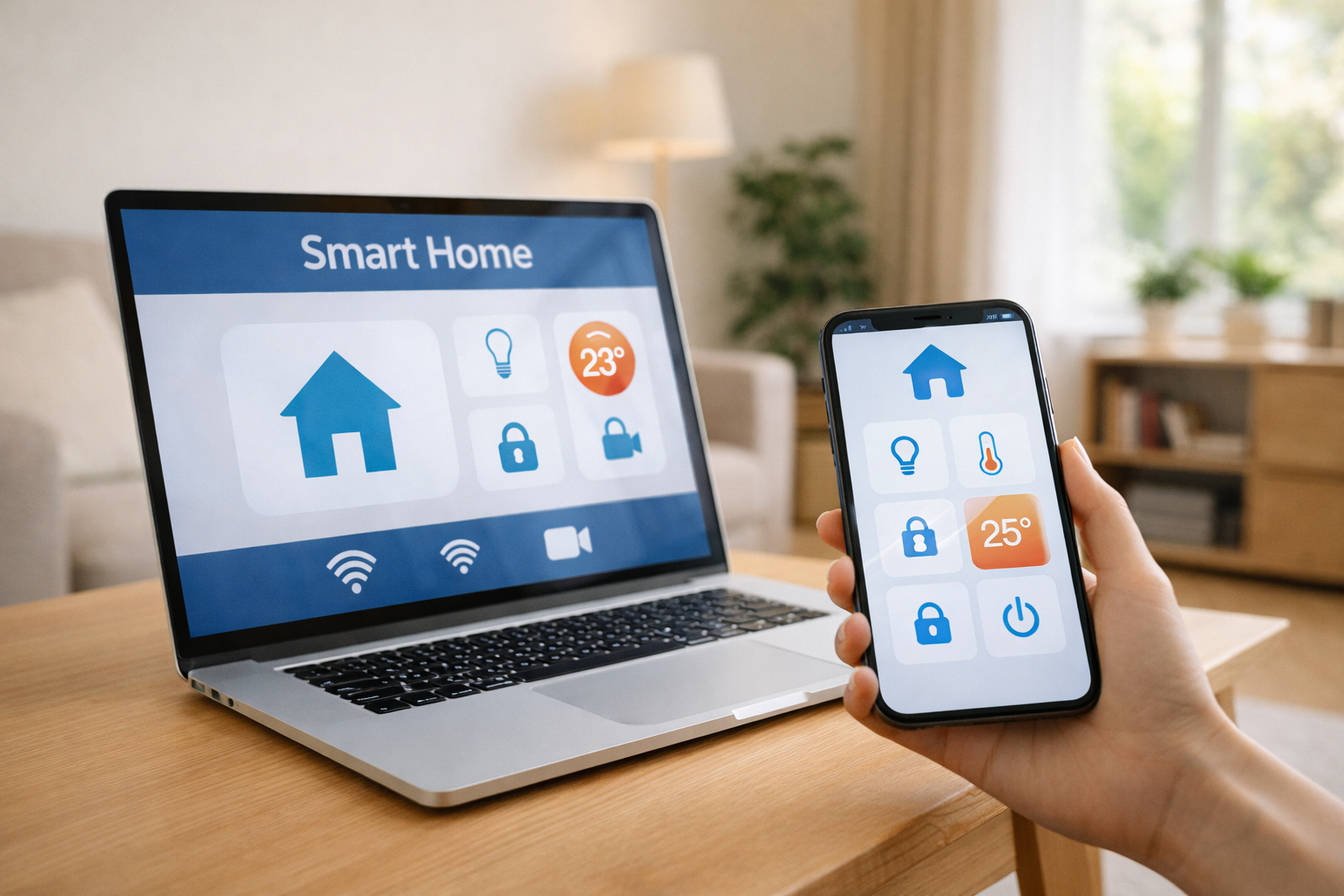
The next phase of smart living is less about adding devices and more about improving how homes respond emotionally and practically to the people living in them. According to data from Statista, global smart home adoption continues to grow as more households prioritize connected technology and automation. Many of the changes ahead are already visible if you look closely at how smart homes are used today.
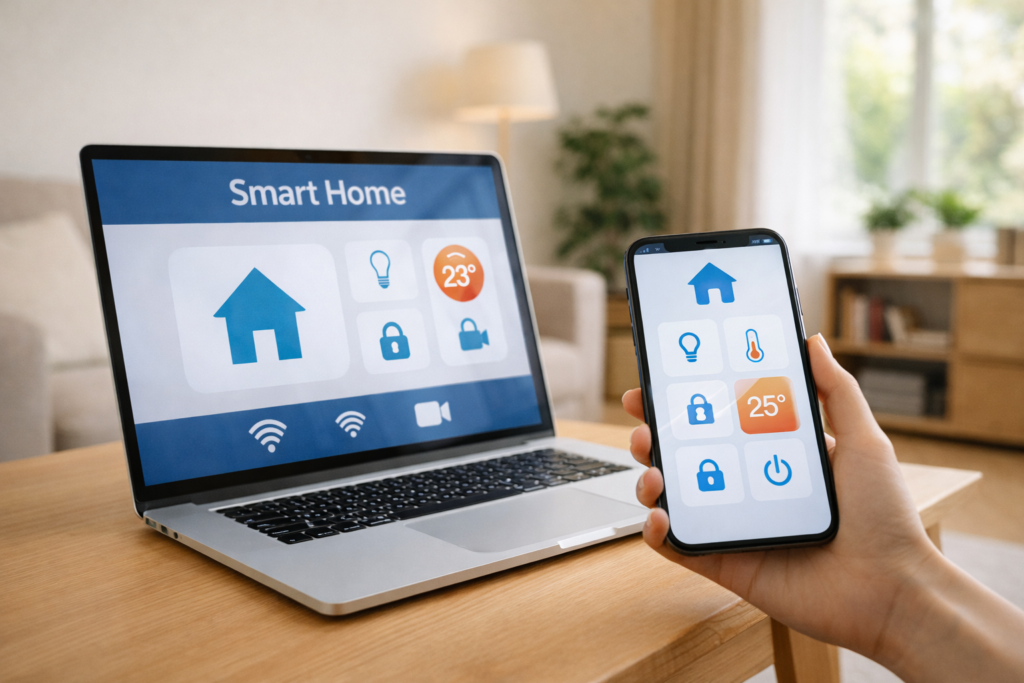
From Gadgets to Lifestyle: Smart Living Trends 2026
In recent years, smart home adoption focused on convenience. Devices helped automate tasks, reduce effort, and simplify routines. Articles like Smart Home Gadgets for Beginners showed how easy it became to start small and build gradually.
This shift builds on the popularity of smart kitchen gadgets, which showed how everyday spaces could become more efficient without adding complexity.
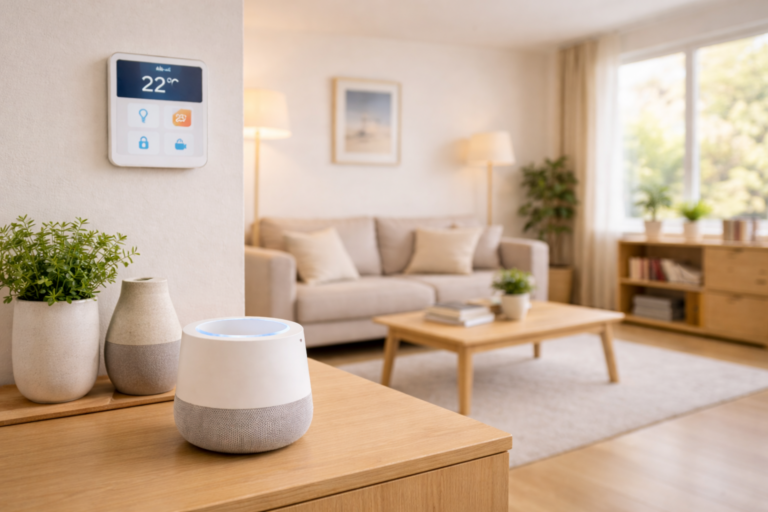
In 2026, the focus shifts from gadgets to lifestyle. Technology becomes a background layer that supports comfort without demanding attention. Homes are expected to feel calm, adaptive, and predictable rather than impressive or complex.
This evolution builds directly on the quieter approach. The difference is that expectations are now higher. People want homes that understand patterns, not just commands.
Personalization and Automation in Smart Living Trends 2026
One of the defining smart living trends for 2026 is personalization without friction. Instead of manually creating routines, homes learn from repeated behavior. Lighting, ambience, and environment adjust naturally over time.
This trend connects closely with the idea explored in “Why a Smarter Home Feels More Calm and Less Stressful“. Calm comes from consistency, and consistency comes from systems that adapt without interruption.
In 2026, successful smart homes will feel less programmed and more intuitive. They will respond to habits rather than instructions.
Integration as a Core Smart Living Trend in 2026
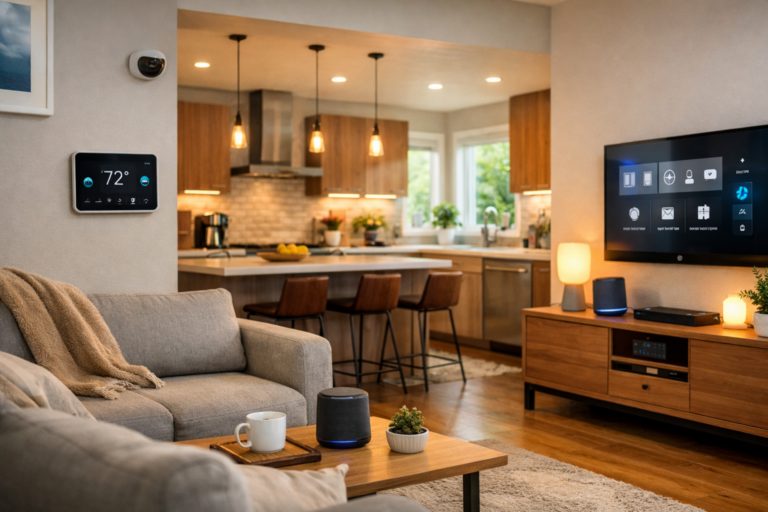
Another noticeable direction for 2026 is consolidation. Instead of filling homes with multiple disconnected gadgets, people are choosing fewer devices that work better together.
This reinforces the beginner friendly mindset covered earlier. A home does not need many smart elements to feel intelligent. It needs harmony. When systems communicate smoothly, complexity disappears.
This approach also supports long term sustainability and ease of use. Homes that are simple to manage are the ones people continue to rely on.
Emotional Design and Smart Living Trends 2026
Smart living in 2026 is not only functional. It is emotional. Designers and developers increasingly recognize that homes influence mood, focus, and wellbeing.
Emotional comfort is becoming a core expectation. Smart technology supports this by removing unnecessary decisions and reducing sensory overload.
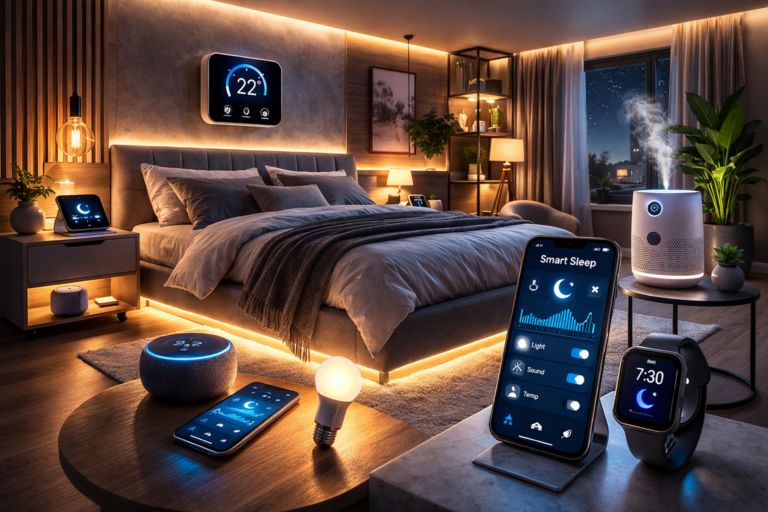
Lighting that follows natural rhythms, environments that transition smoothly between work and rest, and homes that feel predictable all contribute to emotional balance.
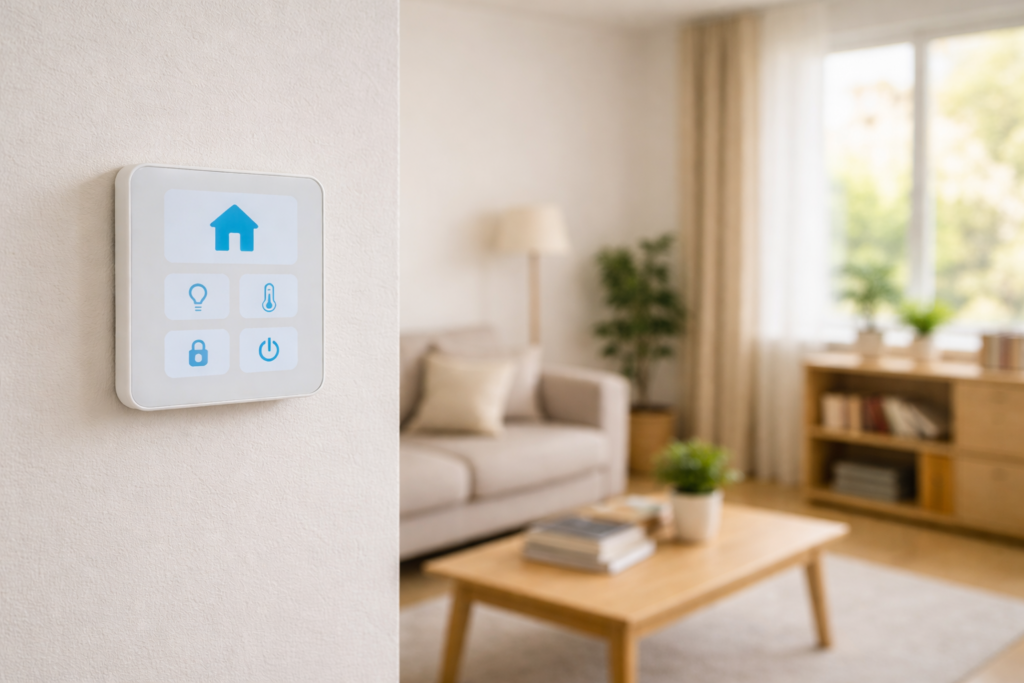
Lifestyle First, Technology Second
Perhaps the most important trend moving into 2026 is a shift in mindset. Technology no longer leads the conversation. Lifestyle does.
Smart homes are designed around how people live, not how devices function. This philosophy aligns perfectly with the broader direction of smart living content on Everglow Living. The goal is not to showcase innovation, but to improve everyday experience.
Homes that succeed in 2026 will be the ones that feel invisible in the best possible way.
Looking Ahead With Intention
Smart living in 2026 is not about dramatic changes. It is about thoughtful evolution. The foundations built in recent years now support a more mature, more human approach to home technology.
For readers who have followed the journey from beginner setups to calm, responsive environments, the future feels less intimidating and more reassuring. Smart living has found its rhythm.
As we move into 2026, the smartest homes will not be the most advanced ones. They will be the ones that feel aligned with daily life, emotional needs, and personal routines.
Technology will continue to improve, but its greatest success will be how little it asks from the people it serves.
Are you ready to upgrade your lifestyle? Discover more smart living insights in our next article.