Smart Living in 2026
Smart living in 2026: How Connected Homes Are Changing Everyday Routines
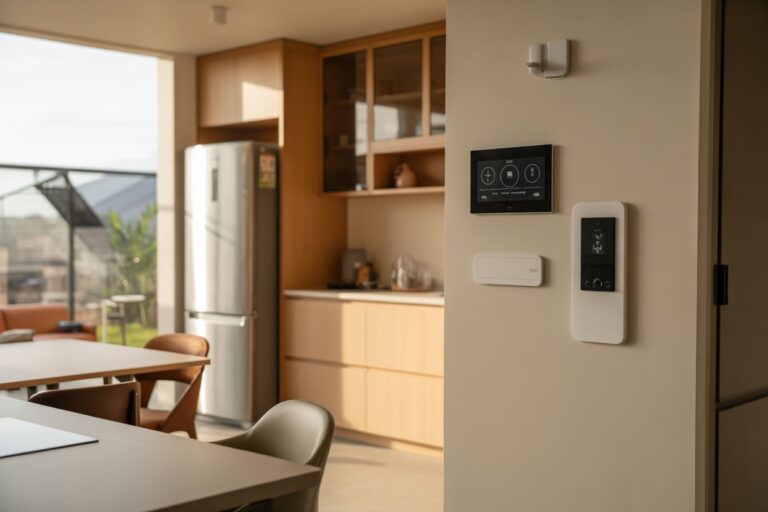
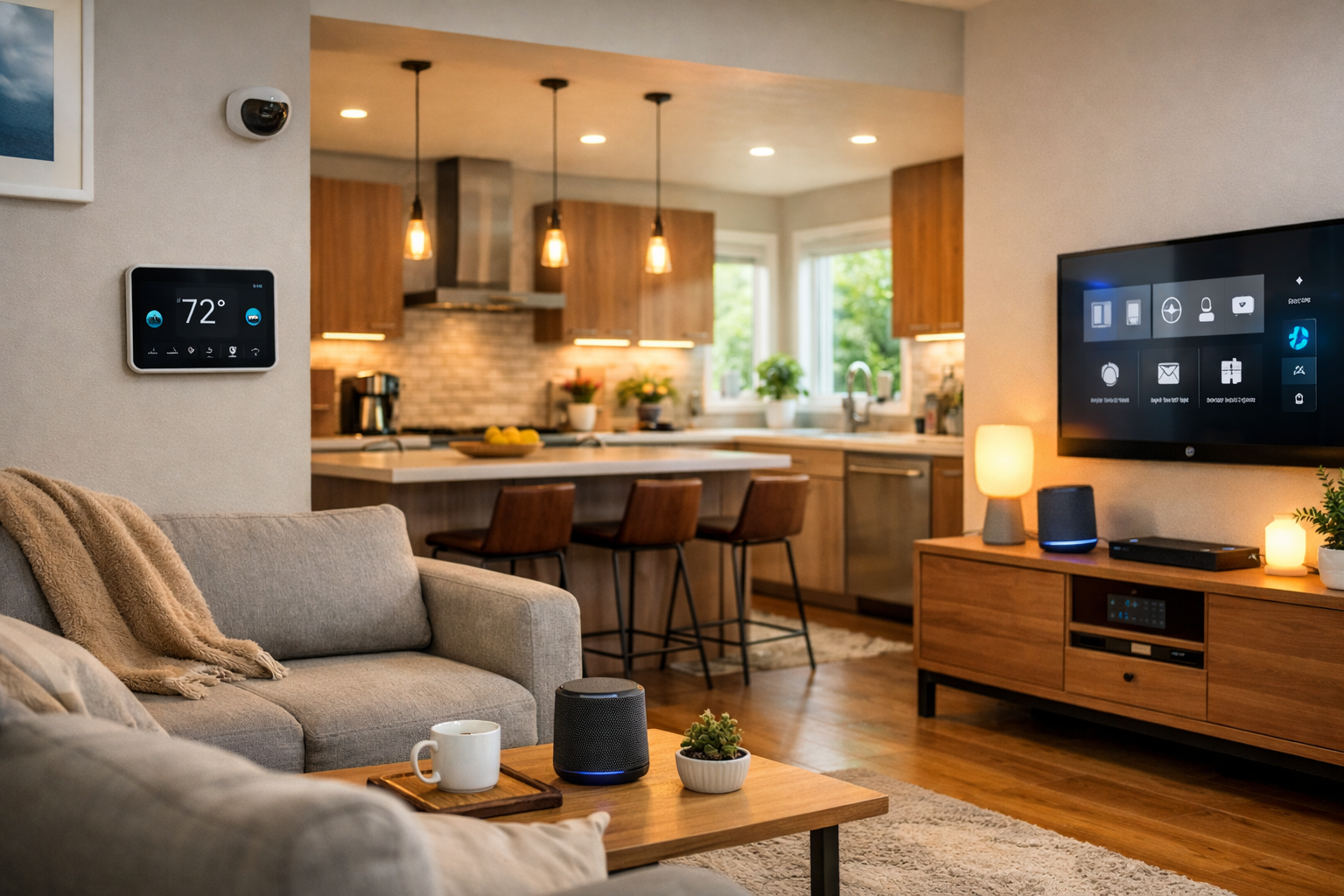
Smart living in 2026 is no longer about futuristic gadgets or complex setups. It’s about how technology quietly supports everyday routines, making homes feel more intuitive, comfortable, and aligned with modern lifestyles. From the moment you wake up to the way you wind down at night, connected homes are subtly reshaping daily life.
Rather than demanding attention, smart living solutions are designed to blend into the background, allowing people to focus more on living and less on managing technology.
How Smart Living in 2026 Is Redefining Daily Habits
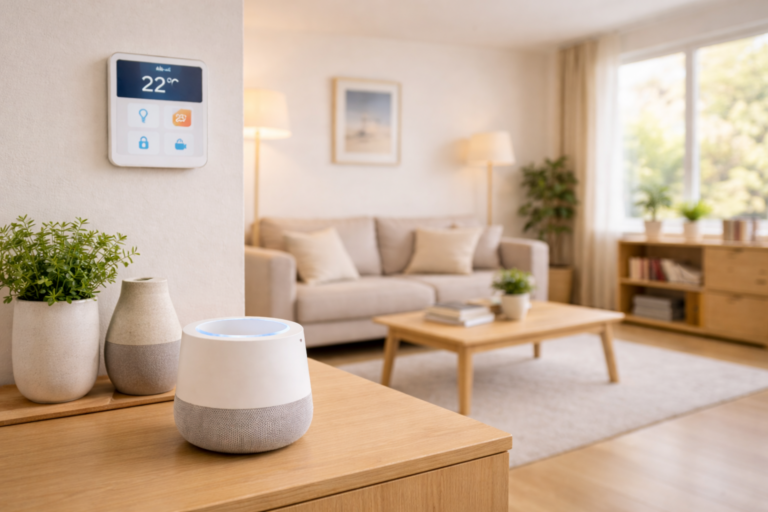
One of the most noticeable shifts in 2026 is how homes adapt to routines instead of the other way around. Lighting adjusts naturally throughout the day, indoor temperatures respond to movement and time, and everyday tasks become smoother without conscious effort.
This evolution creates a sense of flow. Morning routines feel calmer, work-from-home hours become more focused, and evenings feel more relaxing. Smart living is not about doing more, but about removing small frictions that accumulate over time.
Comfort Without Complexity
Smart living continues to evolve as technology becomes more deeply embedded in everyday environments. Rather than focusing on isolated devices, the industry is moving toward integrated ecosystems that support comfort, efficiency, and simplicity. According to insights shared by the Consumer Technology Association (https://www.cta.tech), connected home technologies are increasingly designed to adapt to real-life routines, making smart living more intuitive and accessible for modern households.
A common misconception is that smart homes are complicated. In reality, smart living in 2026 prioritizes simplicity. Many systems now rely on automation rather than manual control, learning patterns and responding accordingly.
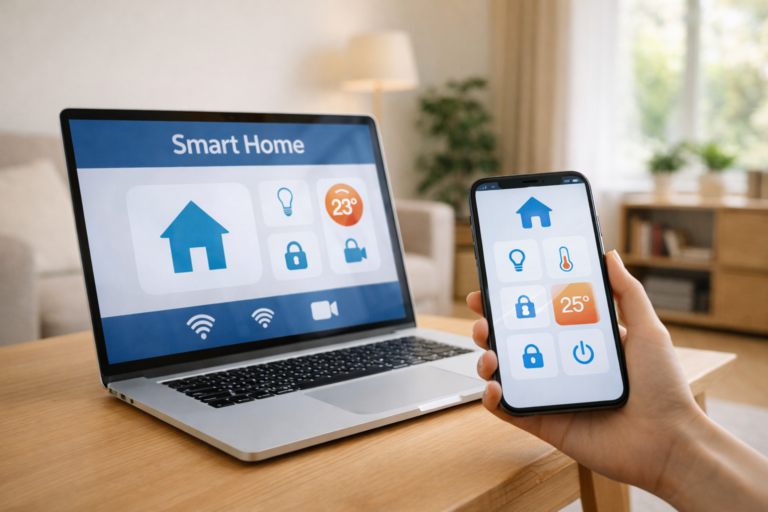
Instead of opening multiple apps, users experience homes that “just work.” Lights dim automatically in the evening, climate systems adjust based on presence, and security features operate quietly in the background. The technology becomes invisible, yet impactful.
For a broader overview of how devices enable this experience, you can explore our guide on connected home solutions in 2026, where we break down the technology behind modern smart environments.
The Lifestyle Impact of Connected Homes
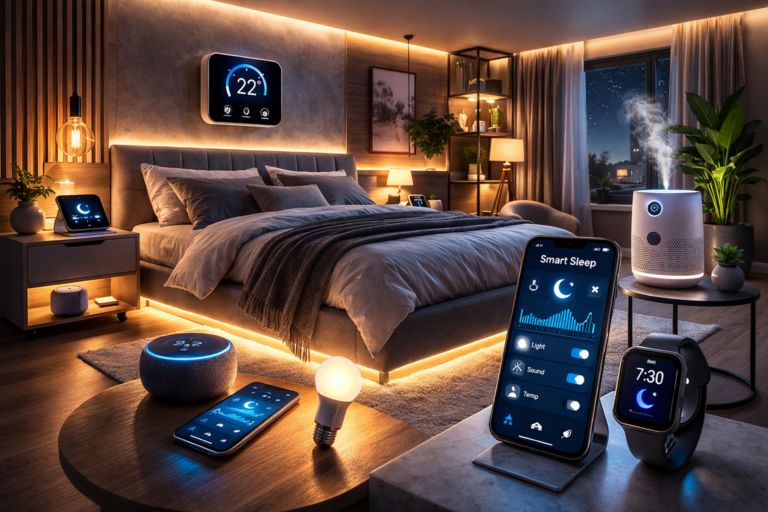
Beyond convenience, smart living has a noticeable impact on lifestyle and well-being. Homes that respond intelligently to daily rhythms can reduce mental load, support better sleep habits, and improve overall comfort.
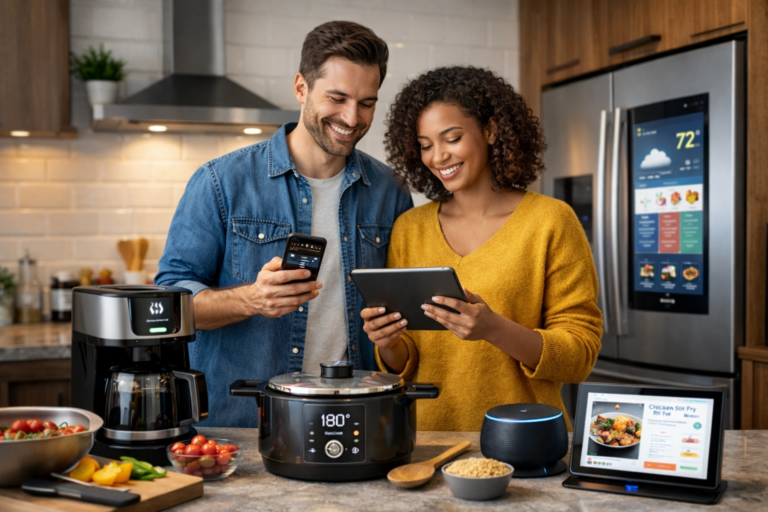
Small details make a difference. A well-lit kitchen in the morning, a calm atmosphere in the evening, and consistent indoor comfort throughout the day all contribute to a more balanced routine. Over time, these subtle improvements shape how people feel in their own space.
Smart Living and Modern Work-from-Home Routines
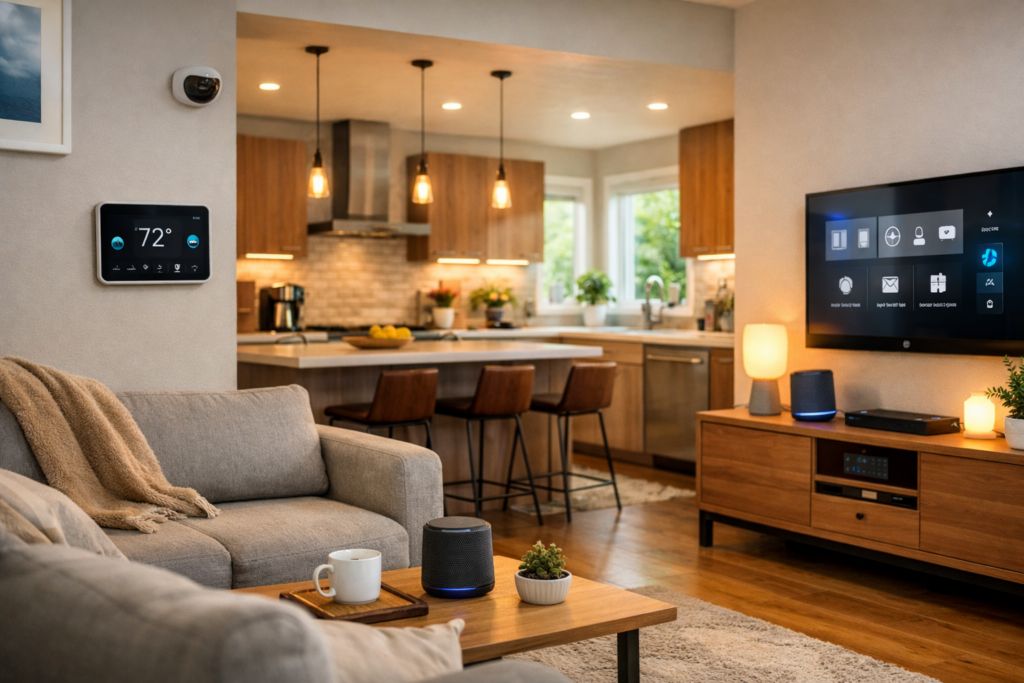
With remote and hybrid work continuing into 2026, smart living plays an important role in productivity. Homes can now adapt workspaces automatically, adjusting lighting, temperature, and even sound environments to support focus.
These changes help separate work hours from personal time, reinforcing healthier boundaries. A connected home supports both productivity and relaxation, without needing constant interaction.
A More Sustainable Way to Live
Smart living is also closely tied to sustainability. Homes that optimize energy use based on real behavior reduce unnecessary consumption. Lighting, heating, and appliances operate more efficiently when guided by intelligent systems rather than fixed schedules.
This approach not only supports environmental goals but also aligns with a growing desire for mindful, responsible living in 2026.
Looking Ahead
As smart living continues to evolve, the focus will remain on technology that supports people rather than overwhelms them. The future of connected homes lies in thoughtful design, seamless integration, and experiences that feel natural.
If you’re curious about the technologies behind this shift, our earlier article on smart home trends shaping 2026 offers a deeper look into what’s driving these changes, while our guide to modern smart home devices explores the tools making it all possible.
Smart living in 2026 is about creating homes that feel responsive, calm, and supportive of everyday life. By embracing connected solutions that prioritize comfort and simplicity, homeowners can transform their routines without adding complexity.
The smartest homes are not the ones filled with devices, but the ones that quietly enhance how we live.
Are you ready to upgrade your lifestyle? Discover more smart living insights in our next article.