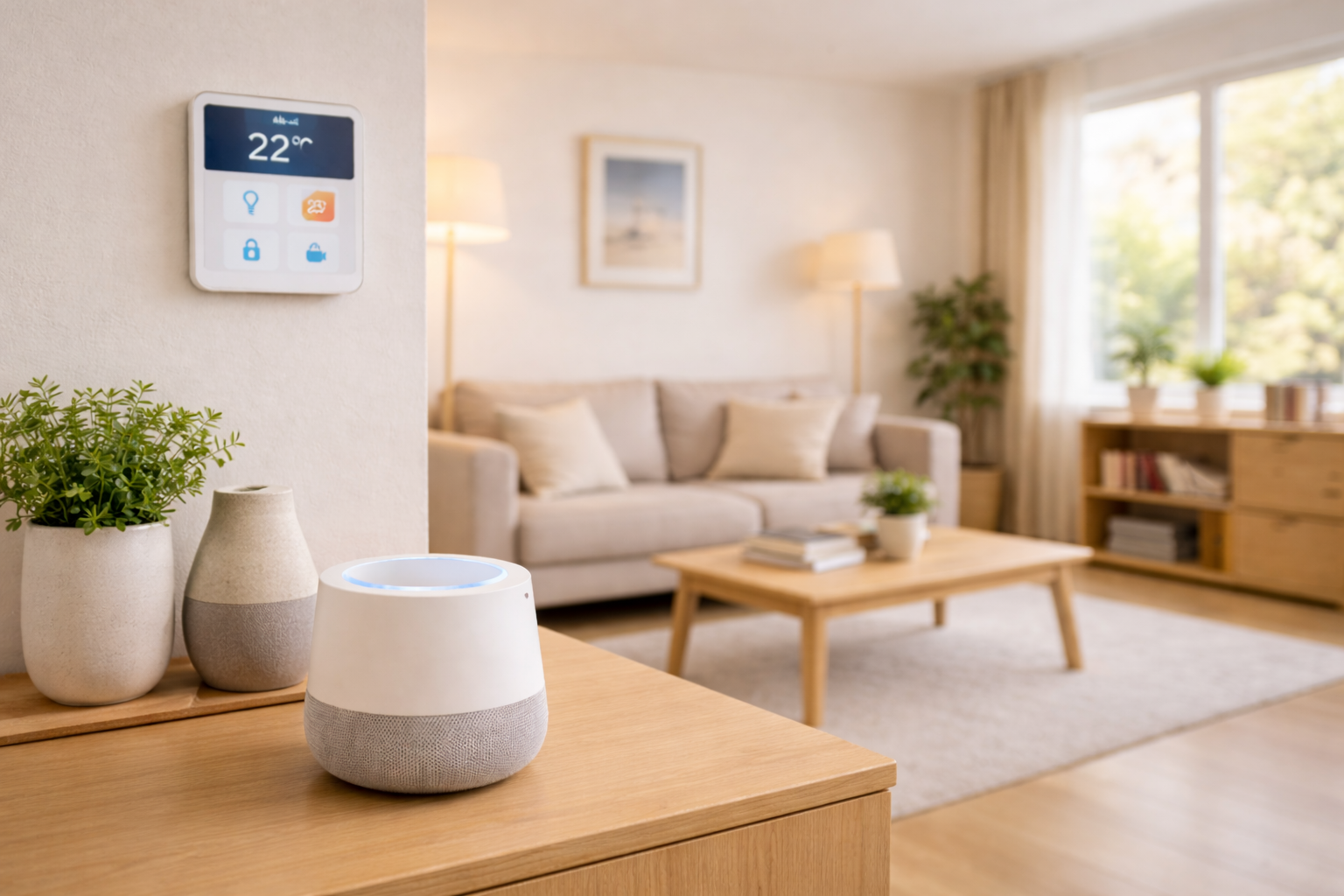
Smart Home Technology 2026: Improving Everyday Life
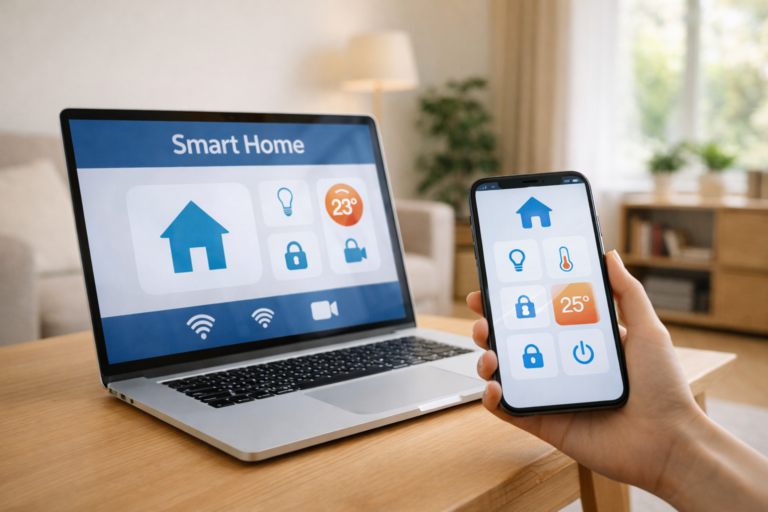
As 2025 comes to an end, smart home technology in 2026 no longer feels like something reserved for early adopters. It has quietly become part of everyday life. What makes 2026 different is not a sudden wave of new devices, but a deeper integration of technology into how people live, move, and feel at home.
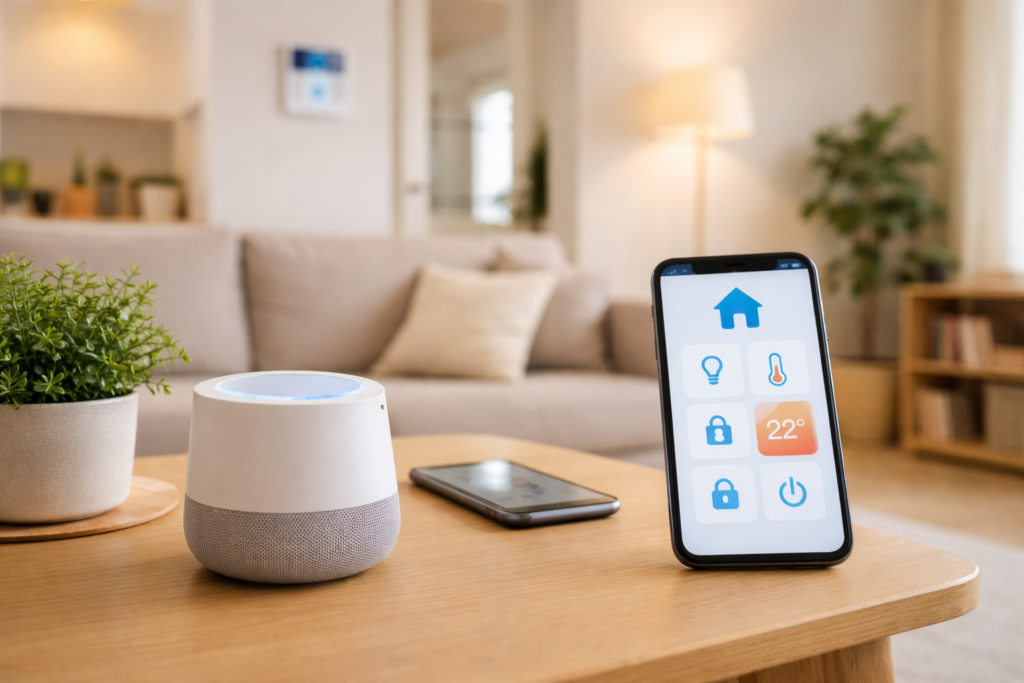
As discussed in our overview of Smart Home Trends 2026, the focus is shifting away from flashy features and toward experiences that feel natural and effortless. Read more in our guide to connected living trends or Check out our full guide to smart living improvements. This article explores how that shift is already improving daily life in subtle but meaningful ways.
Smart homes today are designed to work in the background. They reduce friction, remove small daily stresses, and support routines without demanding attention. The result is a living environment that feels calmer, more predictable, and easier to manage.
From trends to real life routines
The biggest change happening in smart living is how technology adapts to people rather than the other way around. In earlier years, homeowners were required to adjust their habits to match their devices. In 2026, smart home systems are increasingly shaped by behavior, patterns, and preferences.
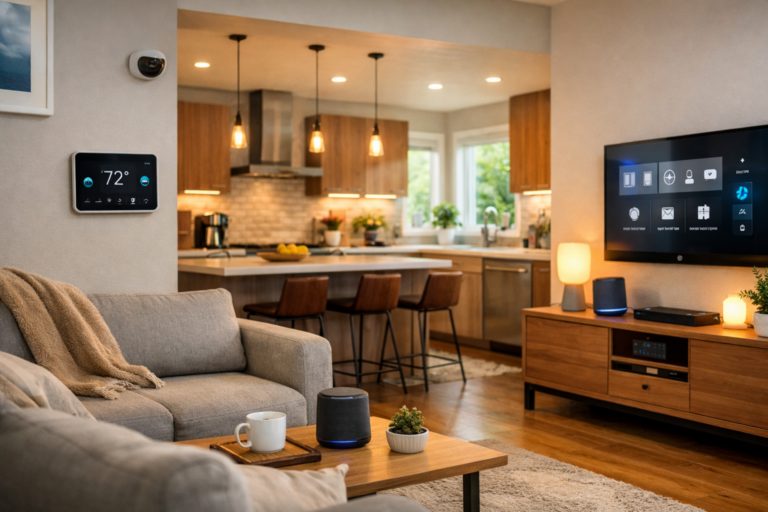
In a smart home technology 2026, lighting adjusts gradually throughout the day. Climate control responds to movement and time rather than manual input. Security features operate quietly without constant notifications. These changes may seem small, but together they create a home that feels responsive rather than reactive. Read more in our guide to connected living.
According to smart home industry research, consumers are increasingly seeking technologies that are intuitive, sustainable, and focused on daily comfort rather than just convenience.
This evolution reflects the broader trend outlined in Smart Home Trends 2026, where convenience is no longer about control but about comfort. The best smart homes are the ones you rarely think about because everything simply works.
Why smart home technology feels calmer and more intuitive in 2026
One of the most overlooked benefits of modern smart home technology is emotional comfort. A home that behaves consistently reduces decision fatigue. When lights turn on as expected, temperatures remain stable, and environments shift naturally between work and rest, the mental load of daily living becomes lighter.
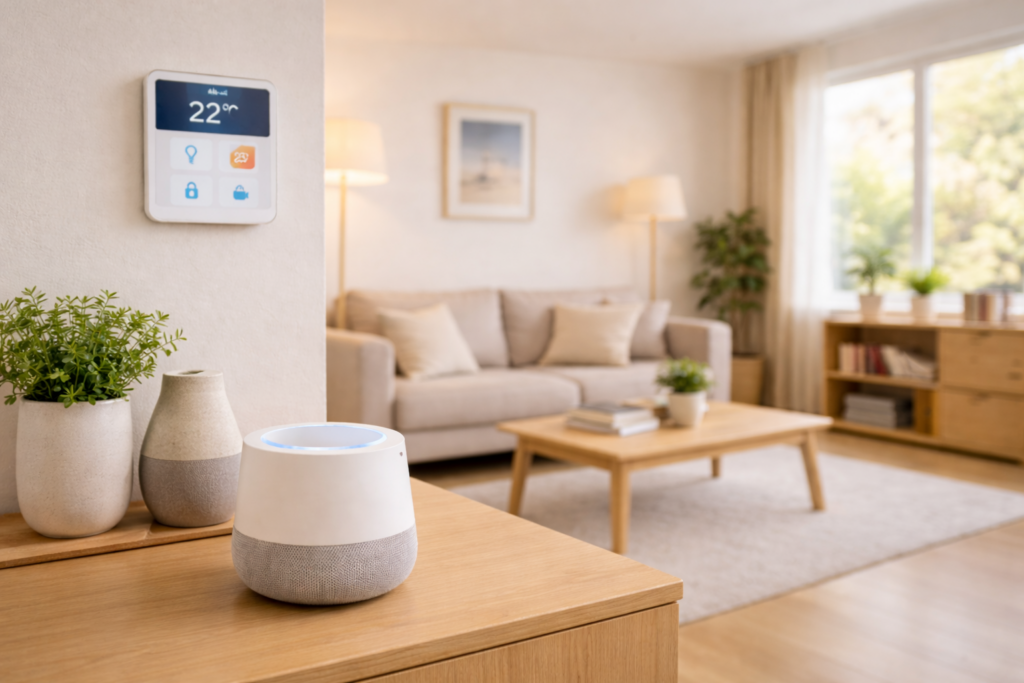
In 2026, smart living is less about efficiency metrics and more about how a space feels. Homes are being designed to support focus during the day and relaxation in the evening without requiring constant adjustments. This sense of calm comes from predictability, not complexity.
As smart systems become more intuitive, they fade into the background. That invisibility is what makes them successful. The technology does not demand interaction. It supports routines quietly and reliably.
The role of smart home technology in everyday comfort
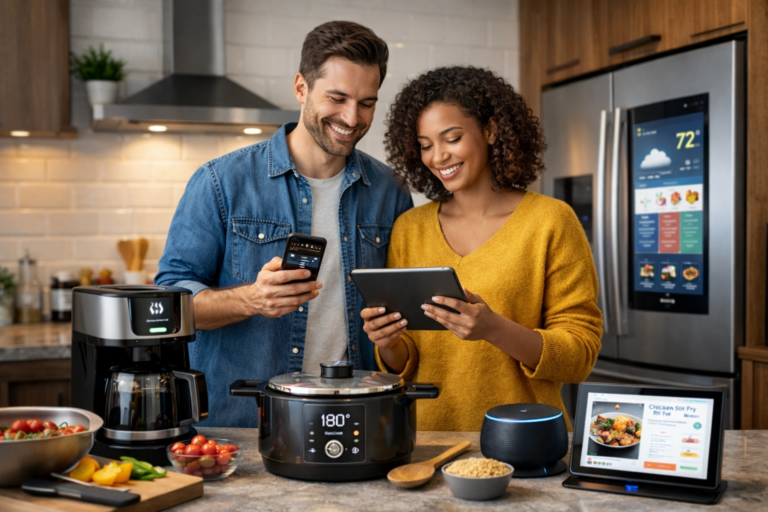
Automation is no longer about creating elaborate scenarios or schedules. It is about simplifying daily life. In a well designed smart home, automation responds to habits that develop naturally over time.
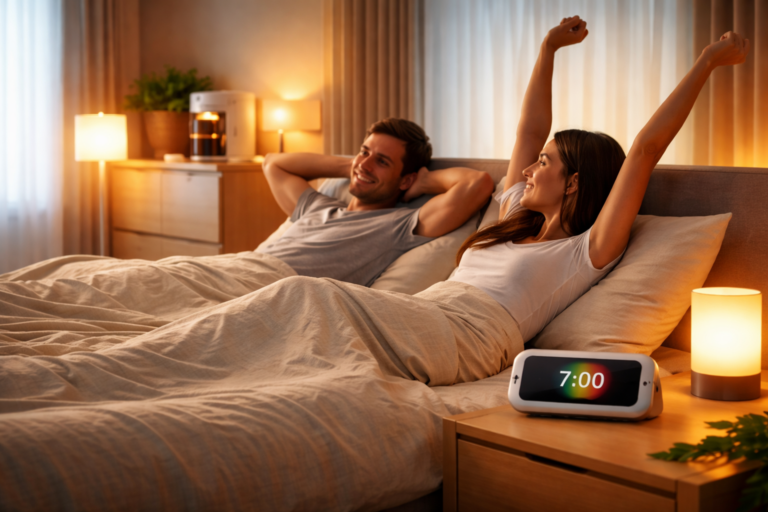
Morning routines flow without friction. Evenings feel more relaxed without manual setup. Small environmental changes happen automatically, creating a sense of rhythm throughout the day. These subtle adjustments contribute to a more comfortable living experience without making the home feel controlled by technology.
This approach aligns with the growing preference for fewer devices that work better together. Instead of adding more gadgets, homeowners are focusing on integration and balance. A cohesive system creates comfort, while disconnected devices create noise.
How small changes shape the connected home experience
The most impactful smart home improvements in 2026 are often the least noticeable. Better lighting transitions, quieter systems, smoother integrations, and more reliable automation all contribute to a home that feels supportive rather than overwhelming.
This shift is encouraging more people to embrace smart living at their own pace. You do not need a fully automated house to benefit from smart technology. Small changes can improve everyday routines in meaningful ways.
This idea connects directly to earlier beginner friendly guides on smart living. The difference now is confidence. Smart homes feel less experimental and more established. They are no longer about learning curves, but about long term comfort.
Looking ahead to a more human centered home
As smart home technology 2026 continues to evolve through, the most successful homes will be those designed around people, not products. The goal is not to impress, but to support. Not to dominate routines, but to enhance them quietly.
The future of smart living is already taking shape in the homes of today. It is subtle, personal, and focused on quality of life. When technology aligns with real habits and emotional needs, the home becomes more than a place to live. It becomes a space that works with you.
For readers interested in where this evolution is heading next, our guide to Smart Home Trends 2026 explores the broader direction of connected living and how these quiet improvements fit into the bigger picture.
Are you ready to upgrade your lifestyle? Discover more smart living insights in our next article.