Smart Home Tech for Seniors: Safe Aging in Place
Disclosure: This post contains affiliate links. If you make a purchase, we may earn a commission at no extra cost to you. Read our full Disclaimer.
Smart Home Tech for Seniors: Safe Aging in Place
Do you worry about your elderly parents living alone? Maintaining independence is crucial for seniors, but safety is often a major concern for their families. The right smart home tech for seniors can transform a house into a secure, comfortable environment that supports aging in place. From automated lighting to voice-controlled assistants, these devices provide peace of mind for everyone involved.
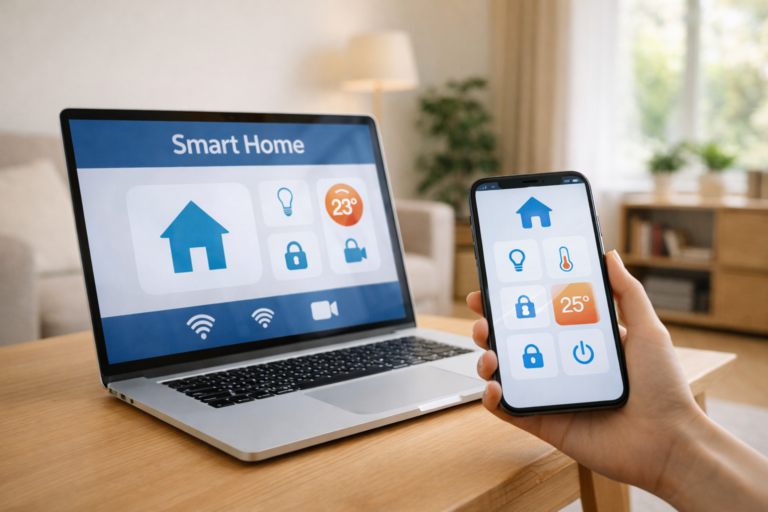
Smart home technology empowers older adults to manage their daily routines with ease. You can help them monitor their health, secure their doors, and control appliances without needing to move around constantly. Whether they need gentle reminders to take medication or an easy way to call for help, smart gadgets offer practical solutions for independent living.
What is Smart Home Tech for Seniors?
Smart home tech for seniors includes internet-connected devices specifically chosen to enhance safety, convenience, and health monitoring. These gadgets often feature simple interfaces, voice controls, and automated routines that require minimal technical knowledge to operate.
The primary goal is to support an independent lifestyle while keeping family members informed. Organizations like the National Institute on Aging emphasize the importance of home safety for older adults. By automating daily tasks like turning off the stove or locking the front door, these systems prevent accidents and reduce anxiety for both the senior and their caregivers.
Essential Devices for Aging in Place
Equipping a home for a senior requires focusing on safety and ease of use. Here are the top categories of smart devices to consider for an aging-in-place setup.
Voice Assistants and Smart Displays
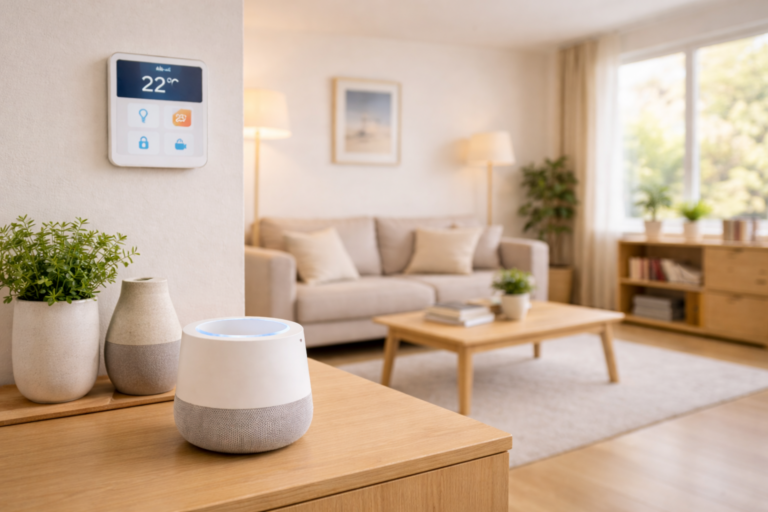
A voice-controlled hub is the centerpiece of a senior-friendly smart home. The Google Nest Hub Max allows users to make video calls, set medication reminders, and control other smart devices using only their voice. Its large screen makes it easy to read information and see family members clearly.
Smart Lighting and Motion Sensors
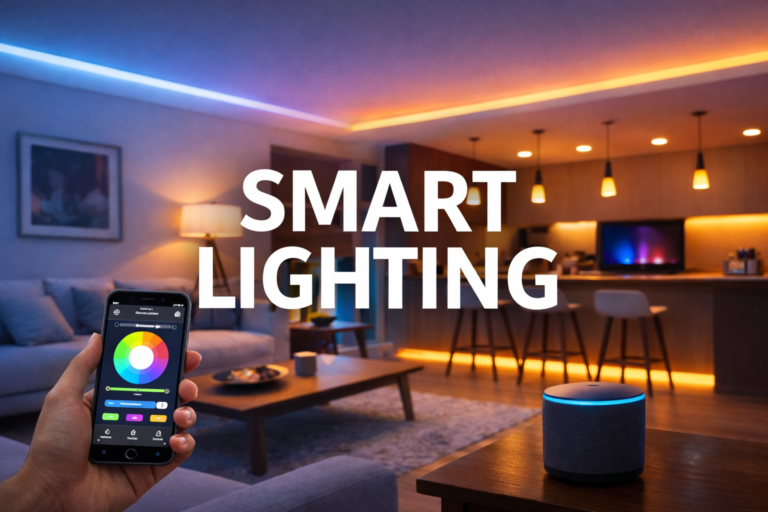
Preventing falls is a top priority for older adults. Smart bulbs paired with motion sensors can automatically illuminate hallways and bathrooms at night. The LIFX Color A19 Smart Bulb provides bright, adjustable lighting that turns on exactly when needed, eliminating the need to fumble for switches in the dark. You can also explore our full smart lighting guide.
Smart Locks and Video Doorbells
Security and accessibility go hand in hand with smart entry systems. A video doorbell lets seniors see who is outside without getting up. The August Wi-Fi Smart Lock allows family members or caregivers to enter the home using a smartphone app, ensuring help can always get inside during an emergency.
Want to learn more about home security? Read our related guide on smart home security devices for modern protection.
Quick Tips for Setting Up Smart Tech for Seniors
Introducing new technology to older adults requires patience and a focus on simplicity. Use these strategies to ensure a smooth transition and maximize the benefits of the devices.
- Keep it simple: Start with one or two easy-to-use devices, like a voice assistant or a smart plug, before introducing more complex systems.
- Automate the essentials: Set up routines for lighting and temperature control so the senior does not have to remember to adjust them manually.
- Test voice commands: Practice using the voice assistant together to ensure it understands the user’s speech patterns and volume.
- Share access with caregivers: Give trusted family members access to the smart home app so they can monitor alerts and assist remotely if needed.
Mistakes to Avoid
Even the most helpful technology can become frustrating if not implemented correctly. Keep these common mistakes in mind when setting up a smart home for an older adult.
- Overwhelming them with gadgets: Installing too many devices at once can cause confusion and anxiety, leading the senior to reject the technology entirely.
- Ignoring privacy concerns: Be transparent about what cameras and sensors are monitoring, and place them only in areas where the senior feels comfortable.
- Forgetting to label things: Provide simple, written instructions or labels near smart switches and voice assistants to remind the user how they work.
Smart Home Tech vs. Traditional Assistive Devices
How do smart home devices compare to traditional assistive tools for seniors? Let us look at a quick comparison to understand the advantages.
- Integration: Traditional tools like pillbox timers are standalone. Smart devices can be integrated into a central hub for unified control and remote monitoring.
- Proactive Alerts: A standard smoke alarm only beeps in the house. A smart alarm sends an instant notification to a caregiver’s phone, even if they are miles away.
- Ease of Use: Many traditional devices require physical interaction. Smart tech often relies on voice commands or automated sensors, reducing the need for mobility.
Final Recommendation
Investing in smart home tech for seniors is one of the most effective ways to support their desire to age in place safely and comfortably. By starting with a voice assistant or automated lighting, you can immediately improve their daily life and provide invaluable peace of mind for the entire family. Assess the specific needs and mobility challenges of the senior, choose devices that address those concerns directly, and enjoy the security that a connected home provides.
Explore the options for smart home tech for seniors today and create a safer, more supportive environment for your loved ones.