Smart Home Gadgets for Beginners in 2025
Building a Home That Works With You
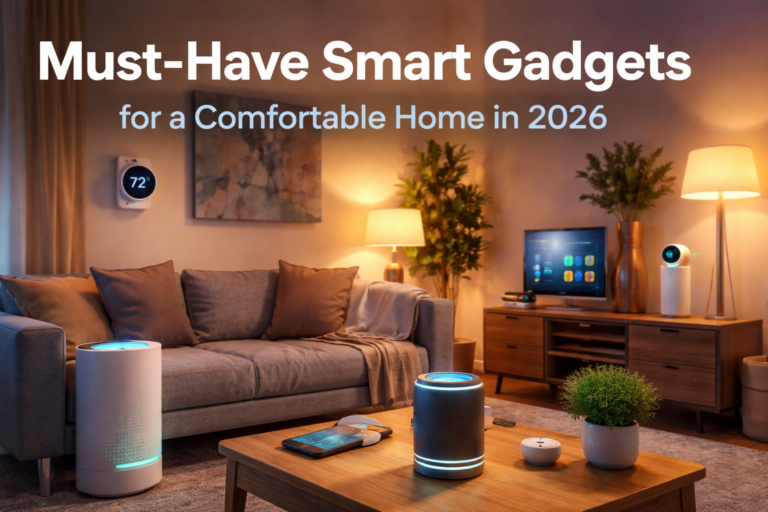
Smart home gadgets for beginners in 2025 are no longer complicated or overwhelming. There was a time when smart homes felt intimidating, but today’s technology focuses on comfort, simplicity, and everyday usefulness.
For beginners, this is the best moment to start.
You don’t need to transform your entire house overnight. In fact, the smartest homes often begin with just one simple change, a light that adjusts itself, a device that follows your routine, or a home that responds without being asked.
Why Smart Home Gadgets for Beginners Feel Different in 2025
According to research from Statista, global smart home adoption continues to grow steadily as consumers prioritize convenience and automation. What makes today’s smart home gadgets appealing isn’t innovation for the sake of innovation. It’s how naturally they fit into daily life. Devices are smaller, setup is quicker, and most systems are designed to feel invisible once they’re working.
Instead of learning how your home works, your home learns how you live.
For beginners, this shift removes the pressure. There’s no need to understand automation logic or advanced settings. You simply start using the device, and it makes sense almost immediately.
Common Mistakes When Buying Smart Home Gadgets for Beginners
One of the most common mistakes when starting a smart home is trying to do too much too soon. Buying multiple devices at once often leads to frustration, unused features, and apps that never get opened again.
A better approach is to focus on one area of daily life that could feel smoother. Lighting is a popular starting point, but it could just as easily be morning routines, climate comfort, or basic automation. When a single improvement proves useful, everything else begins to feel less overwhelming.
Simple Smart Home Gadgets for Beginners That Make the Biggest Impact
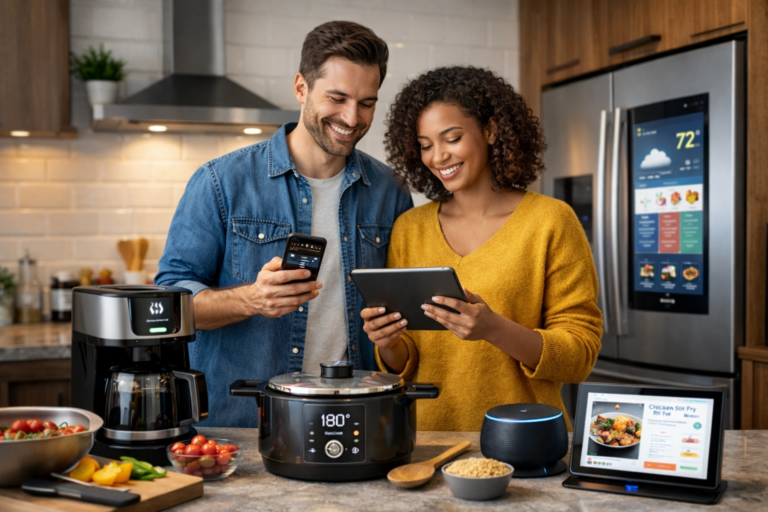
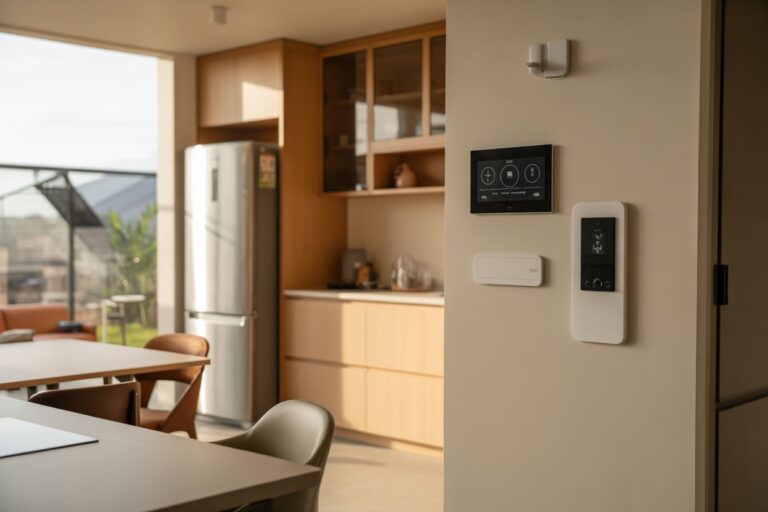
Many beginners start with lighting before moving to smart kitchen gadgets for more integrated routines. Some of the most impactful smart home gadgets aren’t the most advanced ones. They’re the quiet helpers that work in the background. Devices that don’t demand attention, they just do what they’re supposed to.
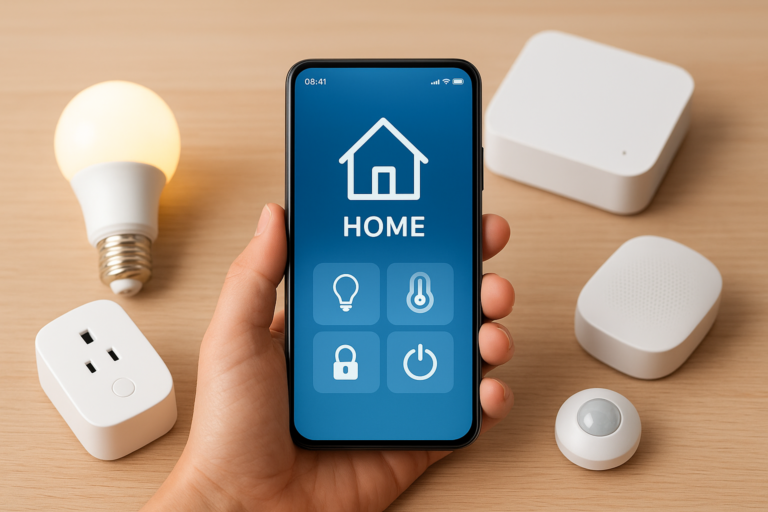
Smart plugs, for example, don’t change how your home looks, but they change how it behaves. Suddenly, everyday objects follow your schedule instead of interrupting it. Over time, these small adjustments create a sense of control that feels surprisingly reassuring.
Voice Control: When Technology Becomes Effortless
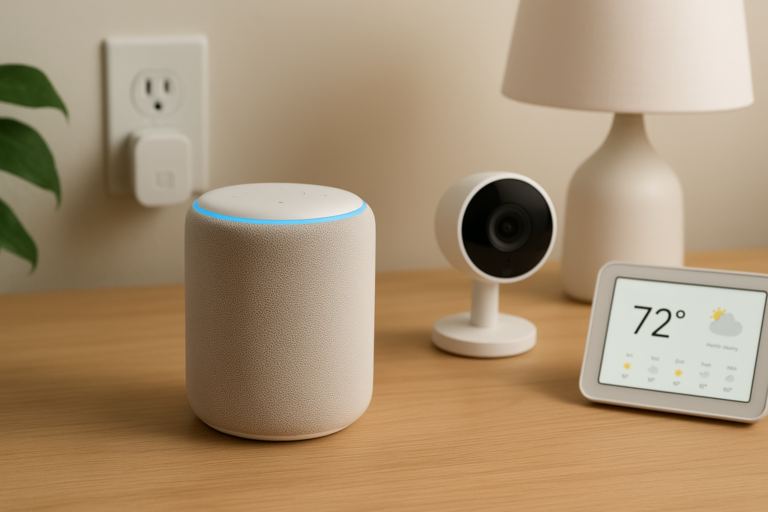
At some point, most beginners realize that the real magic of a smart home isn’t automation, it’s simplicity. Voice control turns multiple devices into a single experience. Instead of managing settings, you interact naturally.
This is where smart homes stop feeling like “tech projects” and start feeling like living spaces that respond intuitively. For many users, this moment is when smart living truly clicks.
Let Your Home React, Not Just Respond
Sensors are often added later, but they’re what give a smart home awareness. Motion, doors opening, movement in a room, these small signals allow your home to react without direct input.
Lights that turn on when you enter, notifications that keep you informed, routines that adjust quietly in the background, these are subtle improvements, but they change how your home feels. Less effort. Less thinking. More flow.
Compatibility Matters More Than Features
For beginners, it’s tempting to focus on what a device can do. In reality, what matters more is how well it works with everything else. A simple device that integrates smoothly is far more valuable than a feature-packed gadget that feels isolated.
Choosing compatibility over complexity makes future upgrades easier, and keeps your setup stress-free.
A Beginner Smart Home Isn’t About Perfection
A smart home doesn’t need to be impressive. It just needs to be helpful. The goal isn’t automation everywhere, it’s ease where it matters.
When devices support your routine instead of interrupting it, smart living feels natural. And once that foundation is in place, growth happens organically. You add what you need, when you need it.
Starting a smart home in 2025 isn’t about keeping up with trends. It’s about small decisions that make everyday life feel a little lighter. A little calmer. A little more intuitive.
Begin slowly. Let each device earn its place. A truly smart home isn’t built all at once, it’s shaped over time.
If you’re exploring long-term trends, see how smart living trends 2026 are shaping the future of connected homes.
Are you ready to upgrade your lifestyle? Discover more smart living insights in our next article.