Smart Living 2026: Redefining Daily Routines at Home
Disclosure: This post contains affiliate links. If you make a purchase, we may earn a commission at no extra cost to you. Read our full Disclaimer.
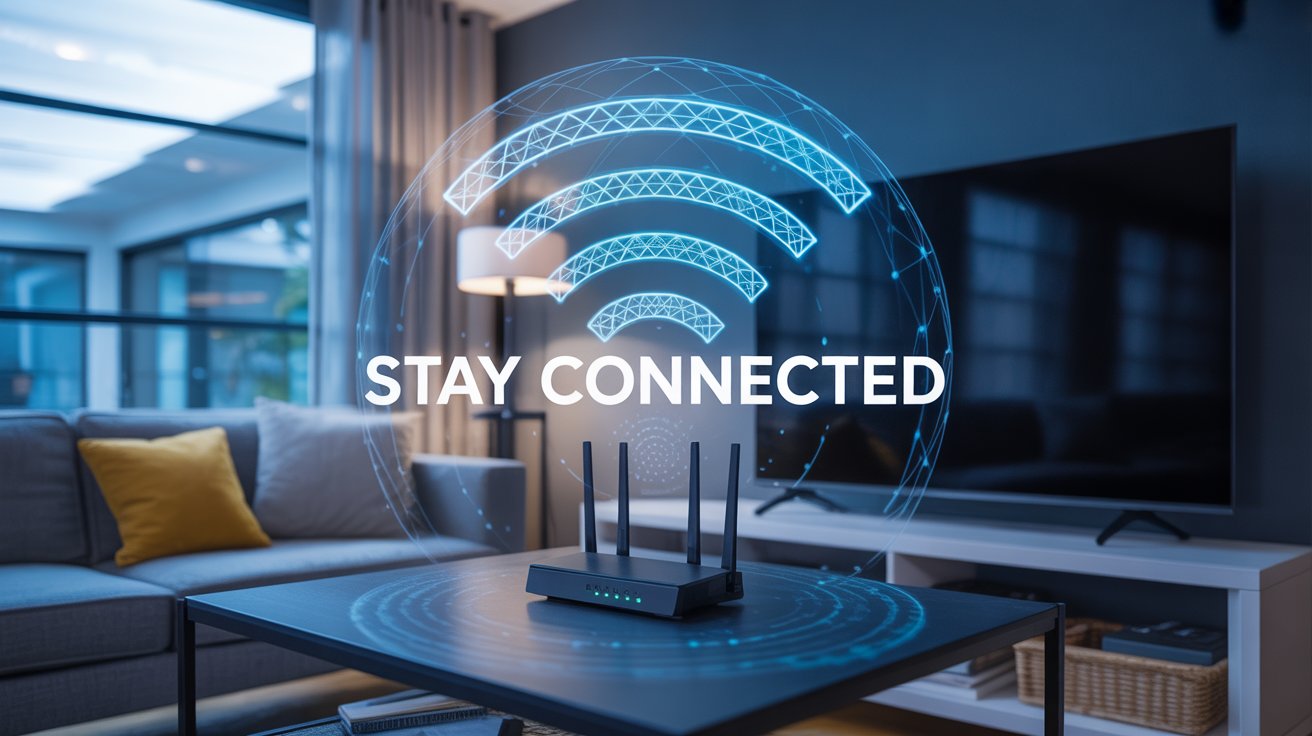
The concept of smart living 2026 goes far beyond gadgets. It’s not just about devices connected to Wi-Fi, it’s about how technology quietly reshapes the rhythm of daily life.
In 2026, smart living means waking up in a home that adapts to you. It means fewer manual adjustments, fewer forgotten tasks, and more time focused on what actually matters. The shift isn’t dramatic, it’s subtle. And that’s precisely why it works.
Let’s explore how connected homes are transforming everyday routines in ways that feel natural rather than overwhelming.
Morning Routines Are Becoming Effortless
One of the most noticeable changes in smart living 2026 is how mornings unfold.
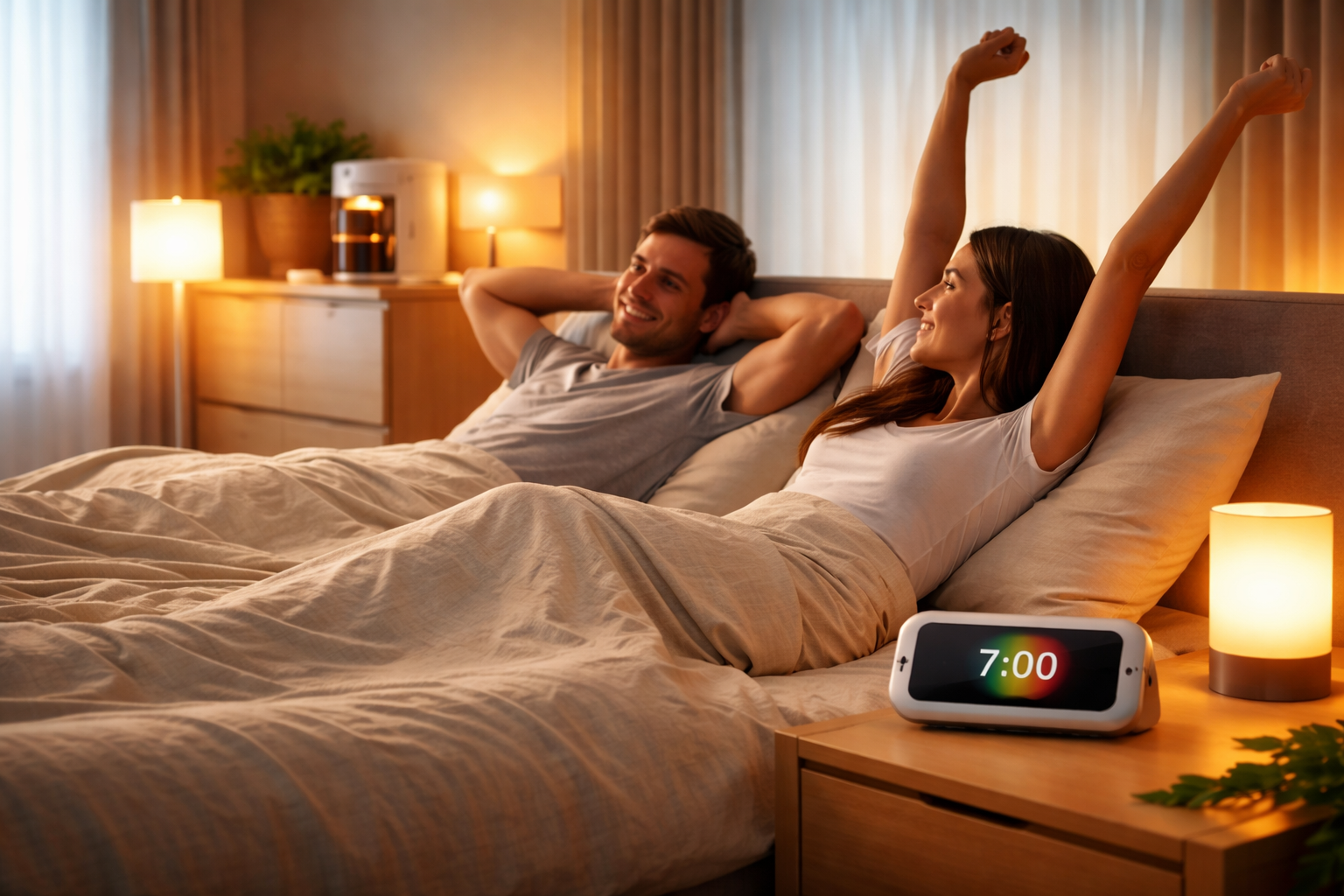
Instead of abrupt alarms and harsh lights, many connected homes now simulate sunrise. Smart lighting gradually brightens, thermostats adjust to optimal comfort levels, and voice assistants provide weather updates while coffee machines prepare automatically.
This isn’t about luxury, it’s about reducing friction.
According to insights from Consumer Technology Association, the adoption of connected home devices continues to grow as consumers prioritize convenience and automation in daily life.
Smart living isn’t adding complexity. It’s removing unnecessary steps from routines.
Work-From-Home Spaces Are Smarter and Healthier
Remote and hybrid work are still strong in 2026. As a result, smart living 2026 heavily influences home office environments.
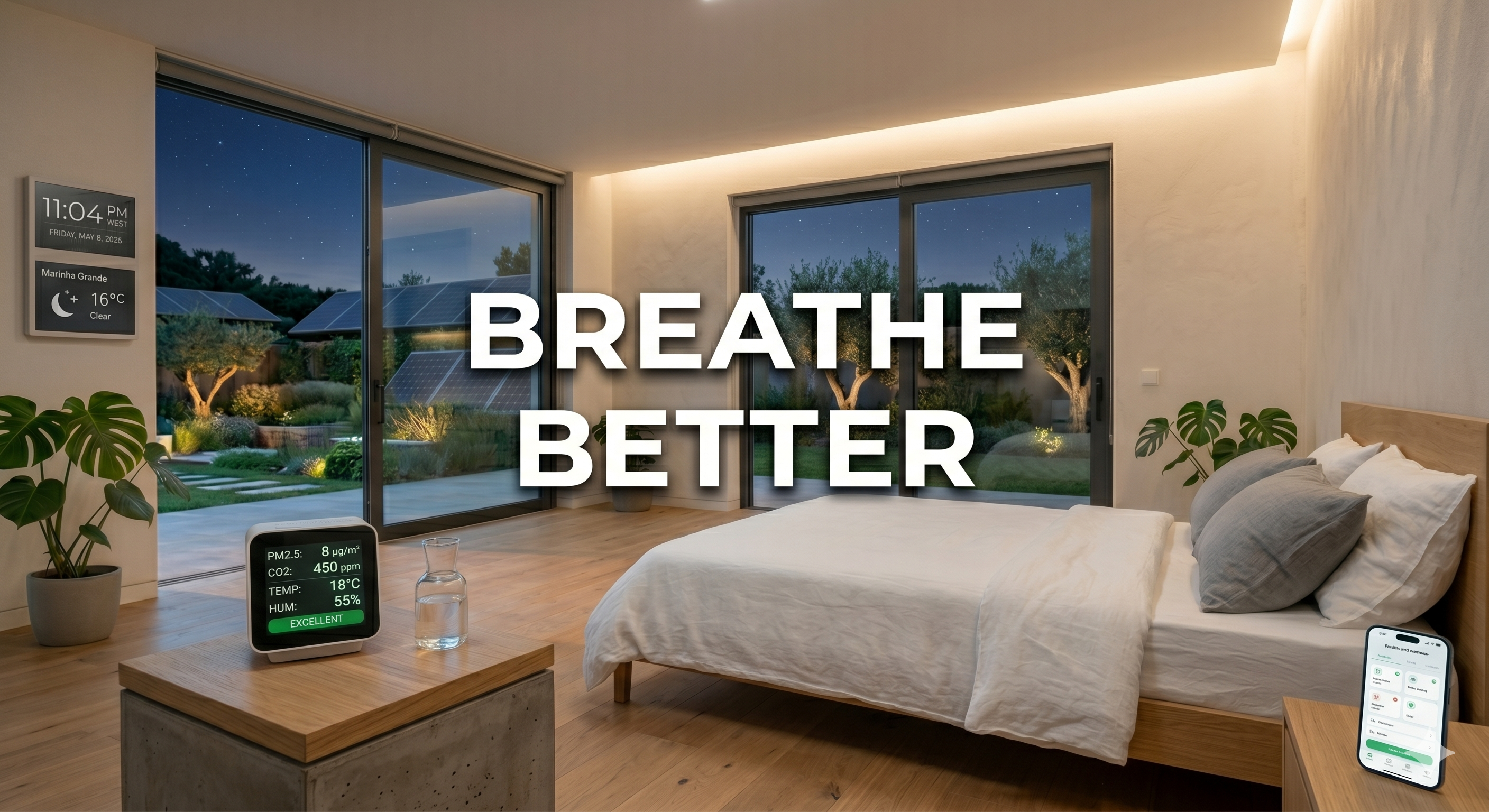
Smart desks remind you to stand. Lighting systems adjust to reduce eye strain. Air quality monitors track indoor conditions and activate purifiers automatically.
These small optimizations contribute to focus and long-term well-being.
A connected home office doesn’t just look modern, it supports performance. When your environment adapts automatically, cognitive load decreases. That subtle shift makes long workdays more manageable.
Evenings Are Designed for Decompression
If mornings are about activation, evenings in smart living 2026 are about restoration.
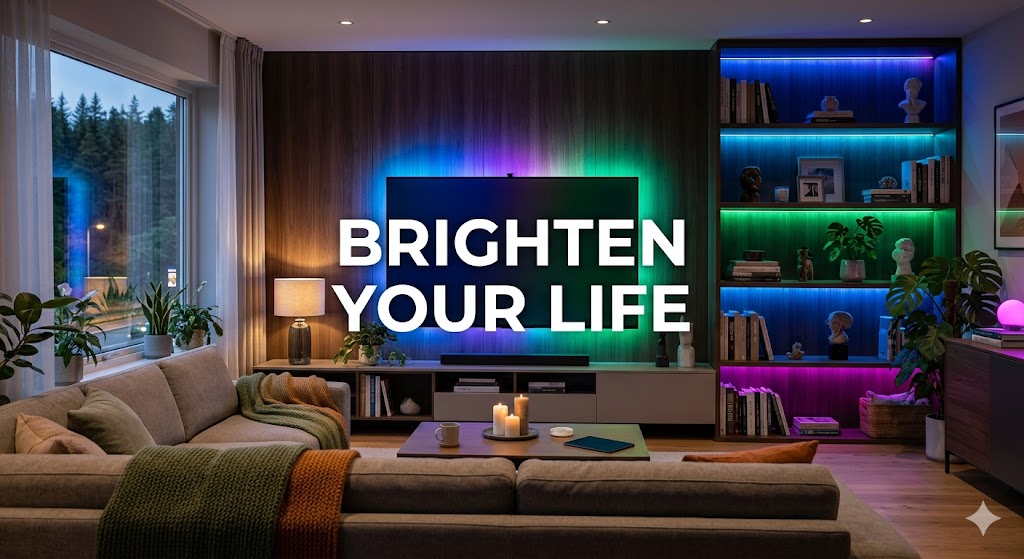
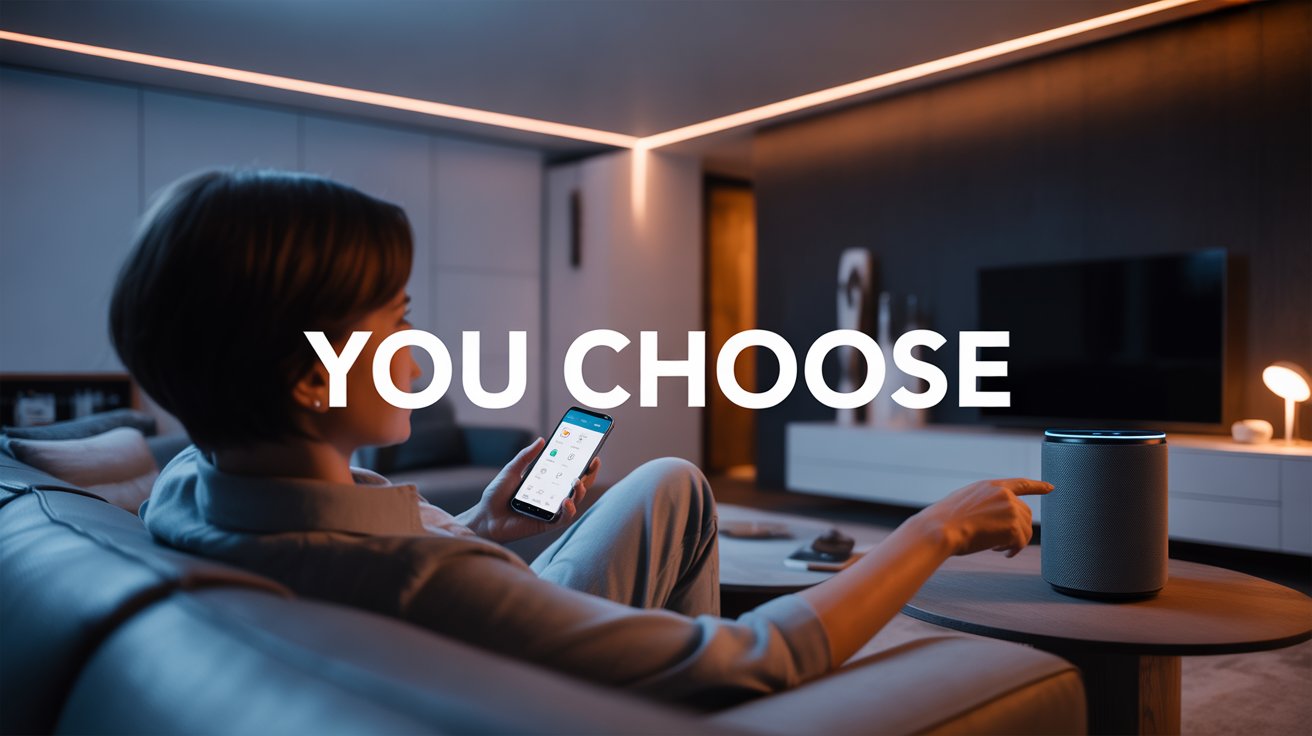
Automated lighting shifts to warmer tones. Smart speakers transition into ambient soundscapes. Climate systems optimize bedroom temperature before sleep.
Homes now anticipate the need to wind down.
Research frequently covered by MIT Technology Review highlights how AI-driven environments are increasingly designed around human behavior patterns rather than pure efficiency.
This is where connected living becomes deeply personal, your home learns your pace.
Household Management Is Less Stressful
Daily routines aren’t just about comfort, they’re about logistics.
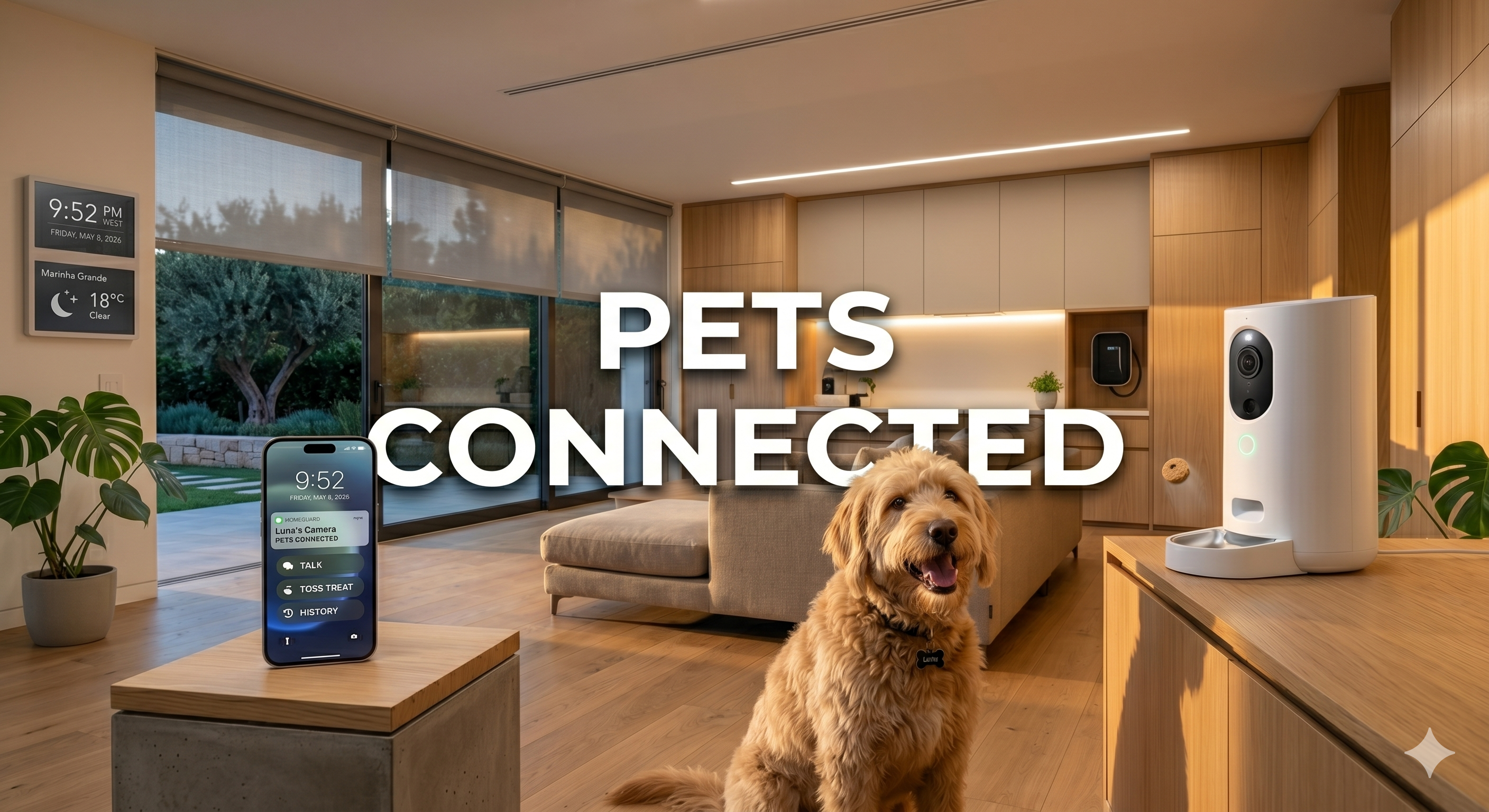
Smart refrigerators track groceries. Robot vacuums clean on schedule. Leak sensors send alerts before damage escalates. In 2026, home technology reduces the invisible mental load of managing a household.
The beauty of smart living 2026 is that these systems operate quietly in the background.
Instead of constantly remembering tasks, you oversee systems that remember for you.
Smart Living 2026 Is About Balance, Not More Technology
There’s a misconception that smart living means filling your home with devices. In reality, smart living 2026 is about intentional integration.
The goal is balance:
- Automate repetitive tasks
- Enhance comfort
- Improve health and focus
- Reduce daily friction
Connected homes are becoming calmer spaces, not more chaotic ones.
The most successful smart living setups are curated, not crowded.
How to Transition Into Smart Living Gradually
If you’re just starting to explore smart living 2026, begin with one friction point in your routine:
- Struggle waking up? Start with adaptive lighting.
- Feeling distracted? Optimize your workspace environment.
- Trouble sleeping? Improve climate and lighting automation at night.
Build slowly. Let technology support you rather than dominate your space.
For a broader look at where connected homes are heading this year, explore our guide to emerging connected home innovations.
And if you’re considering upgrading your environment, our breakdown of modern home devices in 2026 explains which technologies truly enhance comfort.
Smart living 2026 isn’t defined by how advanced your devices are, it’s defined by how seamlessly they fit into your life.
From smoother mornings to calmer evenings, connected homes are redefining daily routines with subtle intelligence. The real transformation isn’t visible in the devices themselves, it’s visible in the time, energy, and mental clarity you regain.
And that might be the most powerful innovation of all.